Header Logo

Cats are remarkably good at hiding discomfort. Your feline companion may still leap onto the couch, supervise dinner preparation, and curl up beside you at bedtime while quietly dealing with an underlying health issue. At Cat Hospital of Austin, your Austin, TX veterinary clinic, recognizing the early signs of illness in cats is key to helping kitties stay healthier and more comfortable throughout their lives. Subtle changes in routine, appetite, mobility, or behavior can sometimes be the first clue that something is wrong.
Some signs that your kitty isn’t feeling their best can pop up overnight, while others sneak in slowly. If your cat is suddenly less playful, starts hiding more, or changes their litter box habits, those are red flags worth noticing. Knowing what to watch for—and when to call your vet—can help you get your furry bestie the care they need before a little problem turns into a big one. Since cats are so good at keeping secrets, paying close attention to their behavior really does make a difference.
Why Cats Often Hide Illness
Cats evolved with strong survival instincts. In the wild, appearing weak or injured could make an animal vulnerable, so cats naturally learned to conceal pain and illness whenever possible. Even pampered indoor cats still carry those instincts today.
That’s why your kitty might seem perfectly normal, even while dealing with things like arthritis, dental issues, tummy troubles, or changes in their thyroid or kidneys. Instead of dramatic symptoms, cats usually start with small, sneaky changes in behavior.
Your feline friend may:
- Sleep more often
- Become less social
- Avoid jumping
- Change grooming habits
- Vocalize more than usual
- Hide in unusual places
- Lose interest in toys or playtime
Even tiny changes can tell us a lot about how your cat is feeling.
1. Appetite Changes
One of the biggest clues that something’s off with your kitty is a change in their eating habits. If your cat suddenly stops eating, eats much less than usual, or turns their nose up at food they used to love, it’s time to check in with your vet.
Cats can get into trouble pretty quickly if they stop eating altogether, especially if they’re a bit on the fluffy side. Things like nausea, dental pain, stress, tummy upsets, infections, and other illnesses can all put a damper on your kitty’s appetite.
On the flip side, a kitty who suddenly seems extra hungry can also be a cause for concern. Conditions like hyperthyroidism and diabetes can make cats eat more, even while they’re losing weight.
Don’t forget about water, either! If your cat is drinking or peeing more than usual, it could be a sign of kidney disease, diabetes, or another issue that needs a closer look.
2. Hiding More Than Usual
Most cats love a good nap in a cozy hideaway, but if your usually social kitty suddenly spends all day under the bed or avoids you, it could be a sign they’re not feeling their best.
Pain, stress, fever, nausea, or trouble moving around can all make a cat want to hide. For example, cats with arthritis might tuck themselves away more often because getting around just isn’t as easy as it used to be.
It’s important to pay attention to these changes, since cats often show us something’s wrong through their behavior before we see any physical symptoms. Your furry pal’s usual personality and daily routine can give you some great clues about how they’re feeling.
3. Changes in Grooming Habits
Cats are famous for their grooming routines. Some might say they’re a little obsessed! A healthy kitty will spend a good chunk of the day keeping their coat in tip-top shape, so changes here can tell us a lot about their health.
If your feline overlord suddenly stops grooming, develops greasy fur, or looks unkempt, discomfort may be part of the problem. Arthritis can make grooming painful, especially around the hips and spine. Dental disease, obesity, and illness may also interfere with grooming behavior.
On the other hand, some cats go overboard with grooming when they’re stressed, itchy, or in pain. If your kitty is licking so much that their fur is thinning or they’re getting bald spots, it’s time for a vet visit.
Cat Hospital of Austin approaches feline wellness from a whole-cat perspective. Alongside traditional veterinary medicine, treatment plans may include environmental enrichment, dietary support, stress reduction strategies, and chiropractic care when appropriate.
4. Litter Box Changes
Changes in litter box habits are one of those big red flags you should never ignore. If your cat suddenly stops using the box, they could be dealing with stress, urinary issues, tummy troubles, or pain.
Frequent trips to the litter box, straining, vocalizing while urinating, or producing very little urine can signal a serious emergency, particularly for male cats.
Constipation, diarrhea, or noticeable changes in stool may also indicate an underlying illness. Cats thrive on routine, so changes in bathroom habits are often meaningful clues.
When deciding when to take a cat to the vet, urinary issues should always move toward the top of the priority list. But if you still aren’t sure, call your vet.
5. Trouble Jumping or Moving Around
Cats are usually little acrobats, so changes in their movement can sneak up on us. Your kitty might stop jumping onto counters, hesitate at the stairs, or pick lower spots to hang out.
It’s easy to think slowing down is just part of getting older, but arthritis is actually super common in senior cats. Unlike dogs, cats rarely limp or make a fuss. They just quietly change how they move to stay comfortable.
Keeping your kitty at a healthy weight, providing fun activities, and reducing stress can all help them move better and feel more comfortable in the long run.
6. Increased Or Changed Vocalization
Some cats love to chat, but if your usually quiet kitty suddenly starts meowing more, especially at night, it could be a sign they’re not feeling well.
Cats might get extra chatty because of pain, confusion, stress, hearing loss, thyroid issues, or high blood pressure. Older kitties with some age-related changes can also become more vocal at night. On the other paw, a cat that is usually chatty but then suddenly goes quiet may also be sick.
Keep an eye out for patterns. If your cat cries out when jumping, meows near the litter box, or wanders around yowling at night, it’s time for a vet check.
Changes in your cat’s behavior can be pretty subtle at first, especially in our senior feline friends.
7. Weight Loss or Weight Gain
Weight changes are one of the most common signs that something’s up with your kitty. All that fluffy fur can make it tough to spot gradual weight loss until it’s really noticeable.
Unexpected weight loss may occur with kidney disease, hyperthyroidism, diabetes, digestive problems, or chronic illness. Weight gain may also pose serious health risks, particularly when combined with reduced physical activity.
Regular vet visits help us catch small changes before they become big issues. Annual wellness exams are a great way to keep tabs on your cat’s weight, nutrition, movement, and overall health.
Why Regular Veterinary Care Matters
One of the best ways to catch illness early is to keep up with regular wellness visits. These yearly checkups help us get to know your kitty’s normal, so we can spot any changes before they become bigger problems.
Cat Hospital of Austin has provided feline-focused care since opening in 2000. As a Cat Friendly Practice Silver-certified through the Feline Veterinary Medical Association, our veterinary clinic is designed specifically around feline comfort and behavior.
Since our team works only with cats, our appointments are usually much calmer and less stressful than a typical mixed-animal clinic. That peaceful vibe helps even the most nervous kitties feel more at ease during their visits.
Chewy has an article on signs of pain in cats. Cats Protection also has a helpful piece on the signs that your cat is sick.
FAQ
What are the most common signs of sickness in cats?
Common signs include changes in appetite, vomiting, litter box problems, increased vocalization, hiding, reduced activity, and changes in grooming habits.
When should I take a cat to the vet?
You should contact your veterinarian if your cat experiences loss of appetite, repeated vomiting, diarrhea, difficulty urinating, changes in breathing, weakness, or sudden behavioral shifts.
Why do cats hide illness?
Cats instinctively hide pain and weakness as a survival behavior, which means symptoms often appear subtle at first.
Are behavior changes linked to illness in cats?
Yes. Cat behavior changes, such as those due to illness, may include hiding, sleeping more, vocalizing differently, reduced activity, or changes in social behavior.
Can arthritis affect a cat’s behavior?
Absolutely. Arthritis may cause cats to jump less, avoid stairs, sleep more often, or become less interactive because movement feels uncomfortable.
Schedule an Appointment at Our Austin, TX Veterinary Clinic
Changes in appetite, behavior, grooming, or mobility should never be ignored, especially in cats who naturally hide discomfort. Whether your feline companion needs preventive care, diagnostics, chiropractic support, or a wellness exam, Cat Hospital of Austin is here to help. If you have been searching online for a trusted “vet near me,” our Austin, TX veterinary clinic provides compassionate feline-focused care tailored to your kitty’s unique needs.
Call Cat Hospital of Austin today to schedule an appointment and help your furry bestie stay healthy, comfortable, and active for years to come.
This blog is intended for informational purposes only. Always consult your veterinarian for medical advice, diagnosis, and treatment recommendations that fit your pet’s individual needs.
Do you want to learn more about Cat Hospital of Austin, our premier Northwest Austin pet clinic? Stop by our Services page for an overview of our clinic and offerings. We are proud to be a cats-only practice, and have been awarded a silver designation by the American Association of Feline Practitioners (AAFP) for being a feline-friendly practice. We offer a variety of services, from spay/neuter and wellness to chiro for kitties. Contact us anytime to learn more.
New Kitty at Home? How to Help Cats Actually Get Along
Preventive Care for Cats: Tips From an Austin Vet
6 Sneaky Signs Your Cat May Have Dental Disease
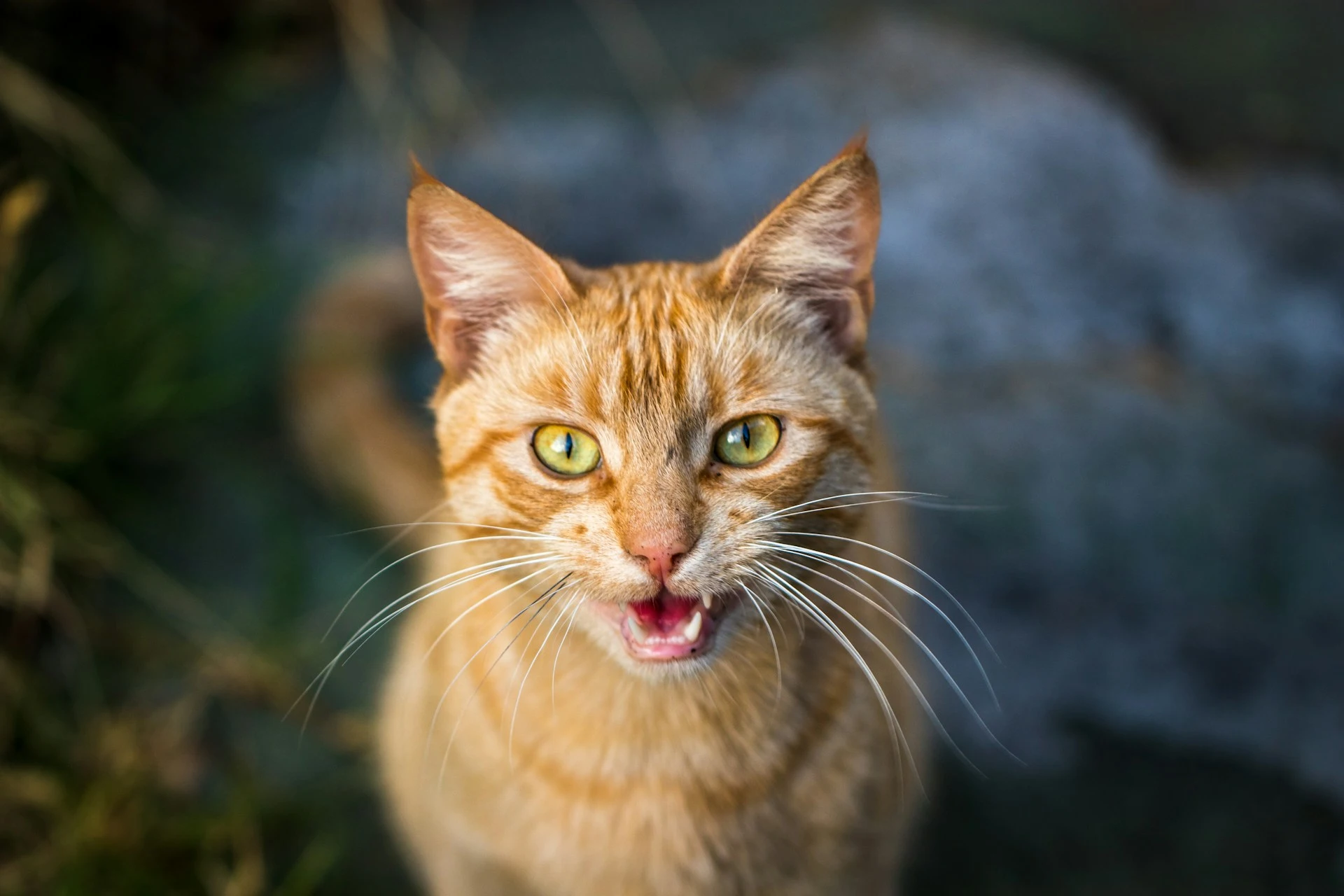
Why Is My Cat Suddenly Meowing More Than Usual?
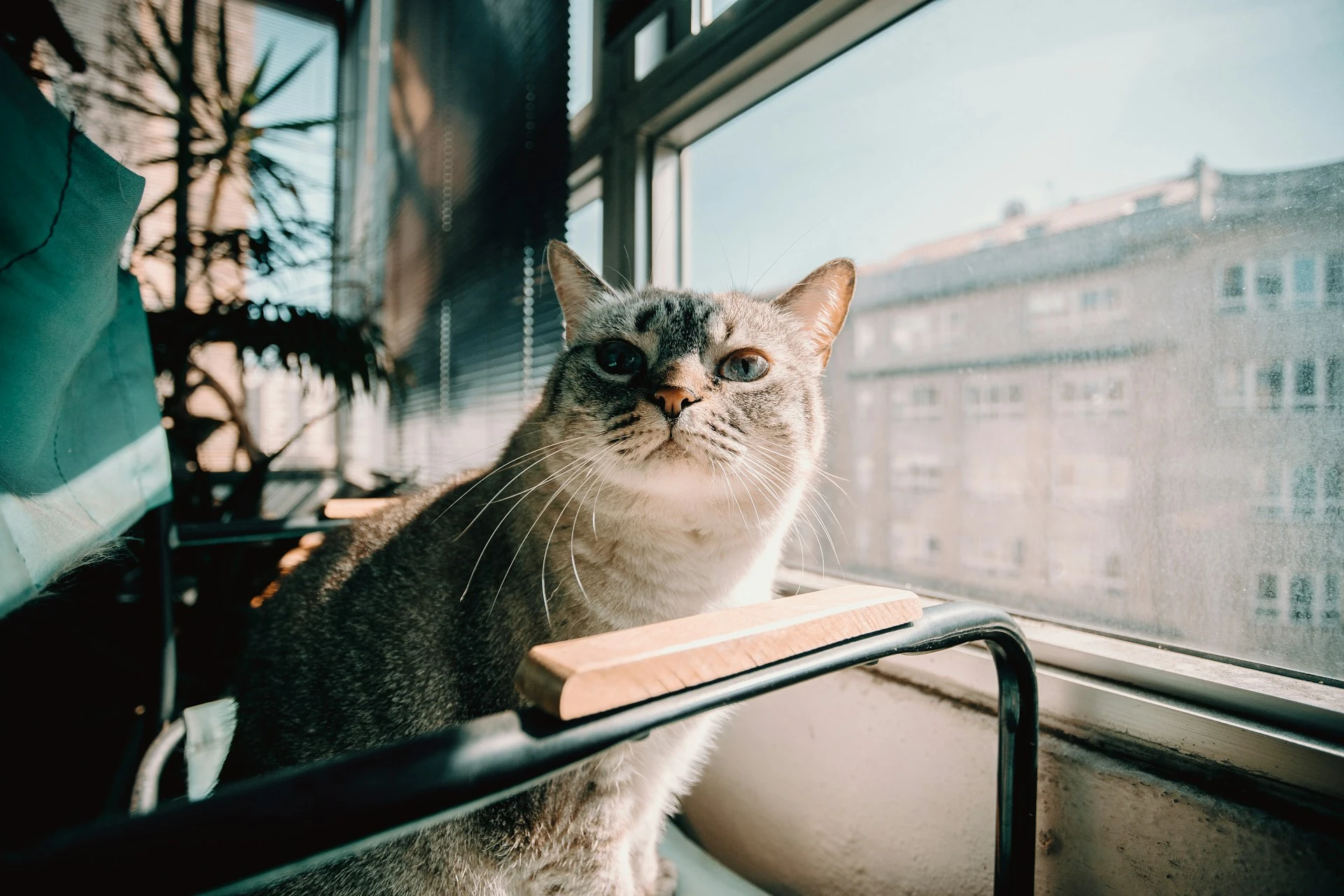
5 Simple Ways to Keep Senior Cats Active at Home
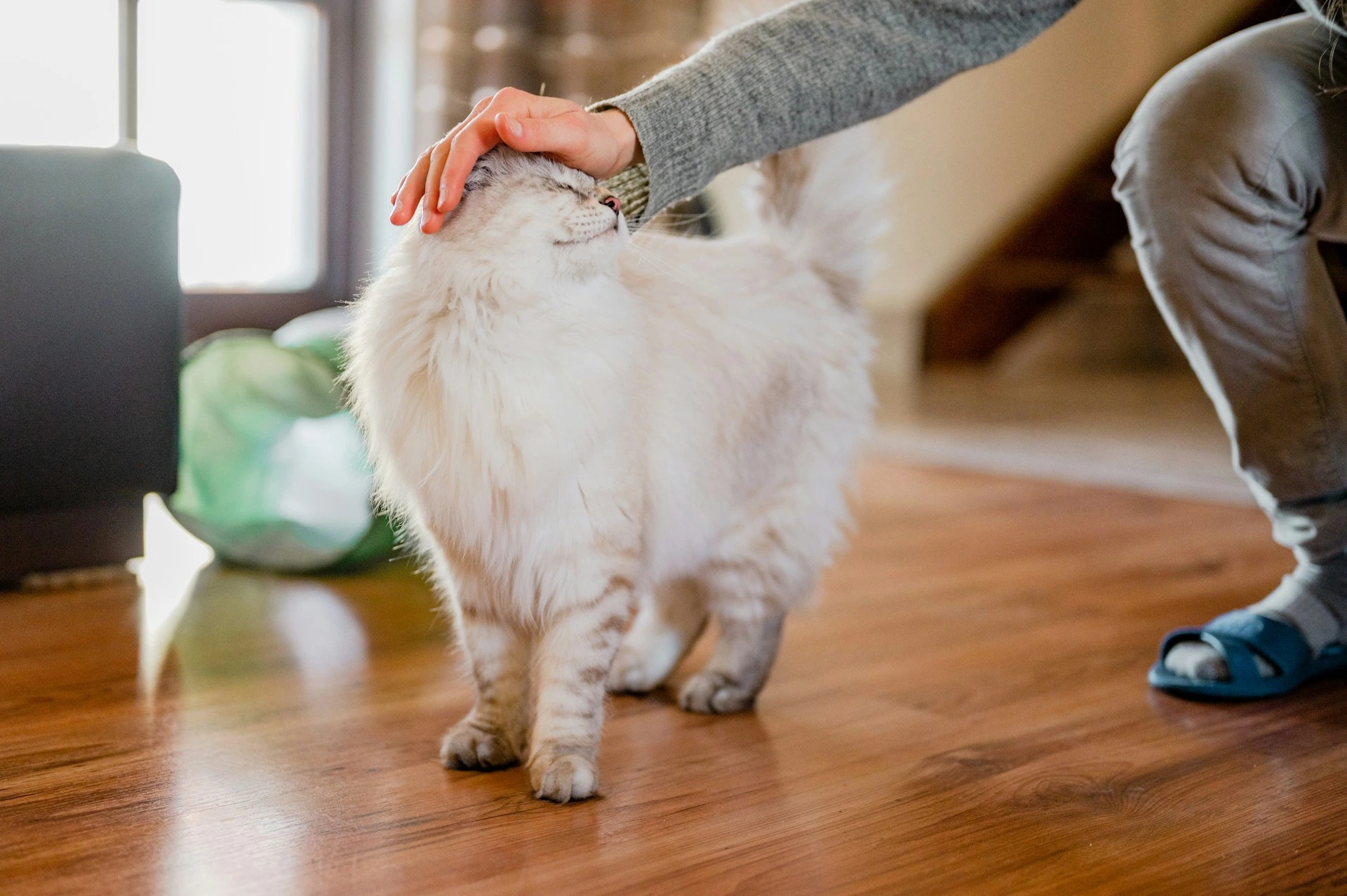
Could Chiropractic Care Help Your Cedar Park Cat Feel Better?
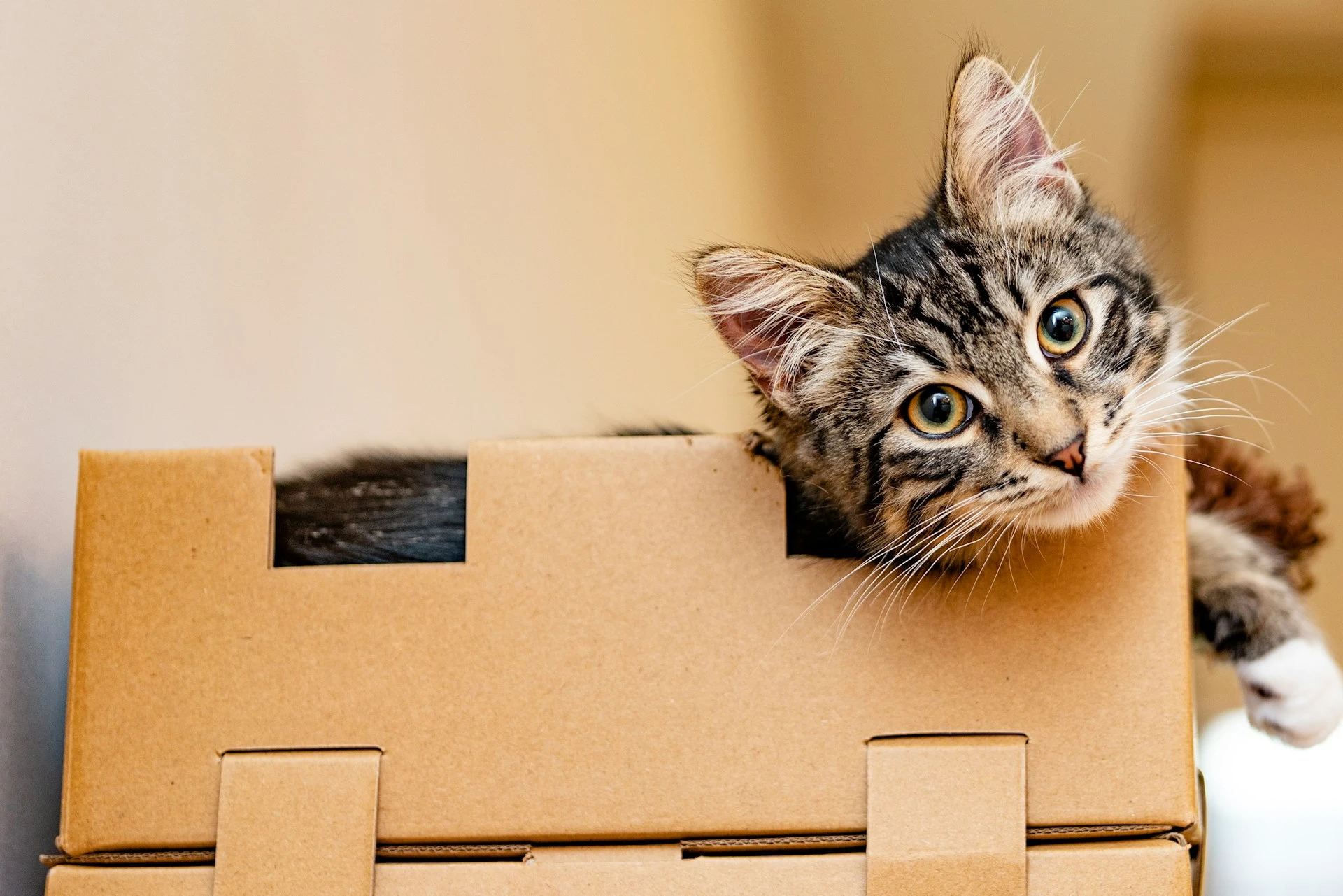
Why Does My Cat Do That? 9 Weird Cat Behaviors Explained
The Texas Parasites Even Indoor Cats Can Pick Up
The Ultimate Guide to Choosing the Right Litter Box