Header Logo

Cats are incredibly good at hiding discomfort. Your kitty may still race to the food bowl, claim the warmest seat in the house, and judge everyone from the top of the cat tree while quietly developing health issues beneath the surface. At Cat Hospital of Austin, your Austin, TX veterinary clinic, preventive vet care for cats helps identify subtle changes early while supporting long-term health, comfort, and quality of life. Preventive care is one of the best ways to help your feline companion stay active and healthy through every stage of life.
It’s a common myth that indoor cats don’t need much preventive care since they’re safe from the big, bad outdoors. But even the most pampered indoor kitty can develop dental disease, gain a few extra pounds, or start to slow down with arthritis or kidney issues. That’s why those yearly wellness visits are so important—they let us keep an eye on your cat’s health over time and give you advice that fits your kitty’s unique personality and needs. The goal? Keep your feline friend feeling fabulous before any little problems turn into big ones.
Why Preventive Care Is So Important for Cats
Cats naturally hide signs of illness. This survival instinct often makes medical conditions difficult to notice during the early stages.
Preventive vet care for cats helps monitor subtle changes involving:
- Weight
- Appetite
- Mobility
- Dental health
- Behavior
- Skin and coat condition
- Hydration
- Organ function
Small changes may provide early clues about developing health concerns.
Your feline overlord may act completely normal while quietly adapting to pain or discomfort, which is why routine wellness care matters so much.
Preventive Care for Indoor Cats Still Matters
Indoor cats generally live safer lives than outdoor cats, but they still need routine veterinary care.
Preventive care for indoor cats may help identify:
- Dental disease
- Arthritis
- Obesity
- Kidney disease
- Diabetes
- Thyroid disease
- Behavioral concerns
Indoor cats also tend to live longer, which means age-related conditions become increasingly common over time.
Routine exams allow veterinarians to monitor long-term health trends while helping owners support healthier aging and better quality of life.
What Happens During Annual Cat Wellness Visits?
Annual cat wellness visits involve much more than vaccines alone.
A wellness exam may include:
- Physical examination
- Weight and body condition evaluation
- Mobility assessment
- Dental evaluation
- Nutritional discussions
- Parasite prevention recommendations
- Behavioral evaluations
- Diagnostic testing when appropriate
We also look for the little things you might not spot at home, like posture, muscle tone, hydration, and what’s going on inside that adorable mouth.
Those regular visits help us build a health history for your cat, so we can catch any changes early—before they turn into bigger problems.
Dental Care Is a Major Part of Feline Preventive Health Care
Dental disease is one of the most common medical concerns affecting adult cats.
The tricky part? Many cats keep munching away like nothing’s wrong, even when their mouths are hurting. Dental disease tends to sneak up slowly and quietly.
Warning signs may include:
- Bad breath
- Drooling
- Reduced grooming
- Pawing at the mouth
- Eating more slowly
- Irritability
That’s why keeping an eye on your cat’s teeth is a big part of preventive care—untreated dental disease can zap your kitty’s appetite, comfort, and overall happiness.
A professional dental check lets us spot problems you might not see during your daily chin scratches.
Healthy Weight Plays a Huge Role in Wellness
Weight gain can sneak up on cats—especially those indoor loungers who prefer napping to cardio.
Maintaining a healthy body condition helps support:
- Joint health
- Mobility
- Grooming ability
- Organ function
- Energy levels
Obesity may increase the risk of arthritis, diabetes, and mobility problems over time.
At Cat Hospital of Austin, nutritional counseling is often part of preventive wellness visits because healthy feeding habits are an important part of long-term feline care.
Your furry bestie may strongly believe they deserve twelve daily snack breaks, but healthy portion control still matters.
Vaccines and Parasite Prevention Protect Long-Term Health
Preventive care also includes protection against infectious diseases and parasites.
Even indoor cats may still be exposed to:
- Fleas
- Mosquitoes
- Intestinal parasites
- Infectious illnesses
Thanks to our Texas weather, fleas and mosquitoes like to stick around most of the year, so keeping up with prevention is extra important.
Veterinary guidance helps determine which vaccines and preventive recommendations best fit your cat’s lifestyle and exposure risks.
Senior Cats Need Extra Monitoring
As cats age, routine wellness care becomes even more valuable.
Older cats are more likely to develop:
- Kidney disease
- Arthritis
- Hyperthyroidism
- Dental disease
- High blood pressure
- Mobility changes
Many senior cats maintain their usual routines, even as they quietly deal with aches or health issues.
That’s why older kitties may need checkups a bit more often—age-related issues can creep up slowly and quietly.
Behavior Changes Can Signal Medical Problems
Cats often communicate illness through changes in behavior before obvious physical symptoms appear.
Changes that deserve attention may include:
- Increased vocalization
- Hiding
- Appetite changes
- Sleeping more often
- Litter box changes
- Reduced activity
- Irritability
Behavior and medical health are closely connected in cats.
At Cat Hospital of Austin, our feline-focused veterinary team carefully evaluates both physical and behavioral wellness, as subtle behavioral shifts can provide important clues about health changes.
Stress Reduction Is Part of Preventive Care Too
Cats are sensitive animals who thrive on routine and familiar environments.
Stress may contribute to:
- Overgrooming
- Litter box problems
- Reduced appetite
- Increased vocalization
- Anxiety-related behaviors
Environmental enrichment helps support emotional wellness while encouraging healthy activity and mental stimulation.
Helpful enrichment ideas may include:
- Cat trees
- Window perches
- Puzzle feeders
- Scratching posts
- Interactive play sessions
Cats who feel mentally stimulated and secure often experience healthier overall routines.
Why Cat-Friendly Veterinary Care Helps
Many cats become stressed in noisy veterinary environments filled with barking dogs and unfamiliar activity.
Cat Hospital of Austin has focused exclusively on feline medicine since opening in 2000. Because our clinic treats only cats, the environment is designed specifically around feline comfort and low-stress handling.
As a Cat Friendly Practice Silver certified through the Feline Veterinary Medical Association, our veterinary clinic emphasizes gentle handling techniques and feline-focused care tailored specifically for cats.
A calmer veterinary environment often helps cats feel more comfortable during exams and wellness visits.
Preventive Care Helps Build Better Veterinary Experiences
Cats who only visit the veterinarian during emergencies often develop stronger fear responses associated with veterinary care.
Routine wellness visits help normalize the veterinary experience while allowing cats to become more familiar with transportation, handling, and examinations over time.
That familiarity may help reduce anxiety during future visits.
Your kitty may never become thrilled about carrier rides, but calmer, more predictable experiences often make veterinary care feel less stressful overall.
The American Veterinary Medical Association provides more information on the importance of preventive care. The Animal Humane Society also wrote about the benefits of preventative care for pets.
FAQ
Why is preventive vet care for cats important?
Preventive care helps identify health concerns early while supporting long-term wellness, comfort, and quality of life.
Do indoor cats still need annual veterinary visits?
Yes. Preventive care for indoor cats remains important because indoor cats can still develop chronic illnesses and age-related conditions.
What happens during annual cat wellness visits?
Wellness visits may include physical exams, dental evaluations, weight monitoring, nutritional guidance, and preventive care recommendations.
What is feline preventive health care?
Feline preventive health care focuses on monitoring wellness, preventing disease, and identifying medical concerns early.
How often should cats see the veterinarian?
Most cats benefit from yearly wellness exams, while senior cats or cats with medical conditions may need more frequent visits.
Schedule an Appointment at Our Austin, TX Veterinary Clinic
Routine preventive care helps support healthier, happier lives for cats of all ages. Whether your feline companion needs wellness exams, vaccinations, dental care, nutritional guidance, or preventive screenings, Cat Hospital of Austin is here to help. If you have been searching online for a trusted “vet near me,” our Austin, TX, veterinary clinic provides compassionate feline-focused care designed specifically for cats.
Call Cat Hospital of Austin today to schedule your kitty’s wellness appointment and help your furry bestie stay healthy, comfortable, and thriving for years to come.
This blog is intended for informational purposes only. Always consult your veterinarian for medical advice, diagnosis, and treatment recommendations that fit your pet’s individual needs.
Do you want to learn more about Cat Hospital of Austin, our premier Northwest Austin pet clinic? Stop by our Services page for an overview of our clinic and offerings. We are proud to be a cats-only practice and have been awarded a silver designation by the American Association of Feline Practitioners (AAFP) for being a feline-friendly practice. We offer a variety of services, from spay/neuter and wellness to chiro for kitties. Contact us anytime to learn more.
New Kitty at Home? How to Help Cats Actually Get Along
Preventive Care for Cats: Tips From an Austin Vet
6 Sneaky Signs Your Cat May Have Dental Disease
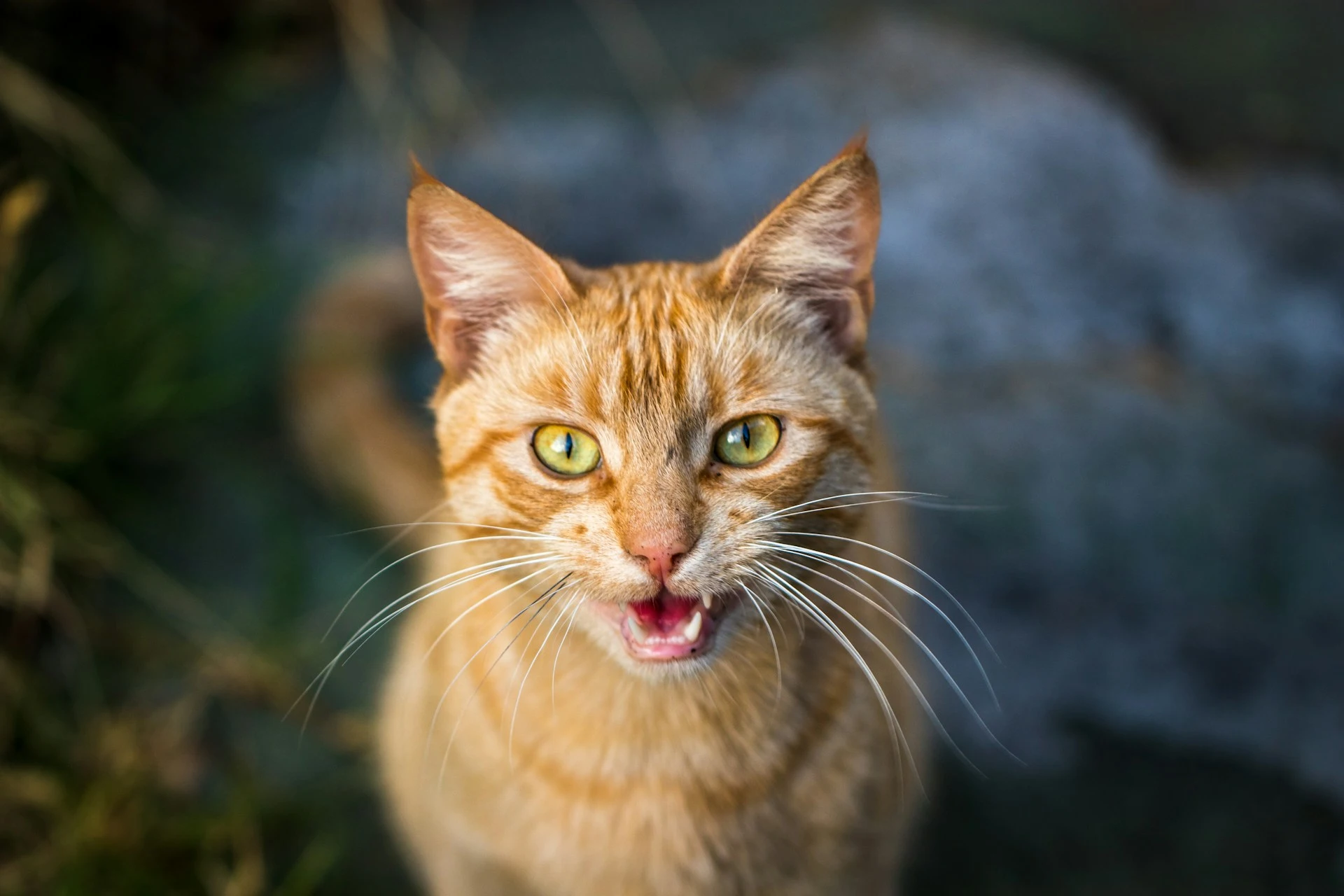
Why Is My Cat Suddenly Meowing More Than Usual?
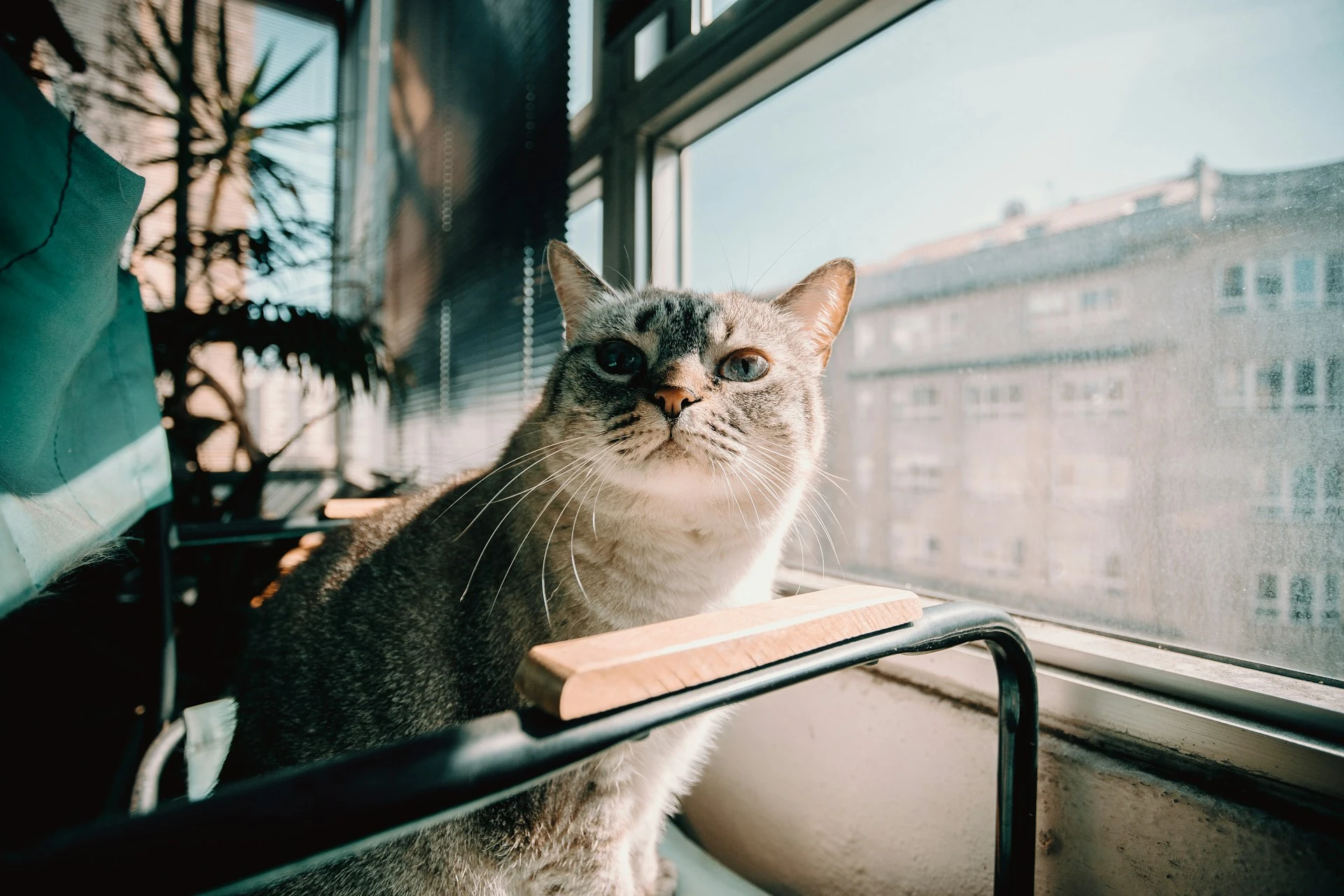
5 Simple Ways to Keep Senior Cats Active at Home
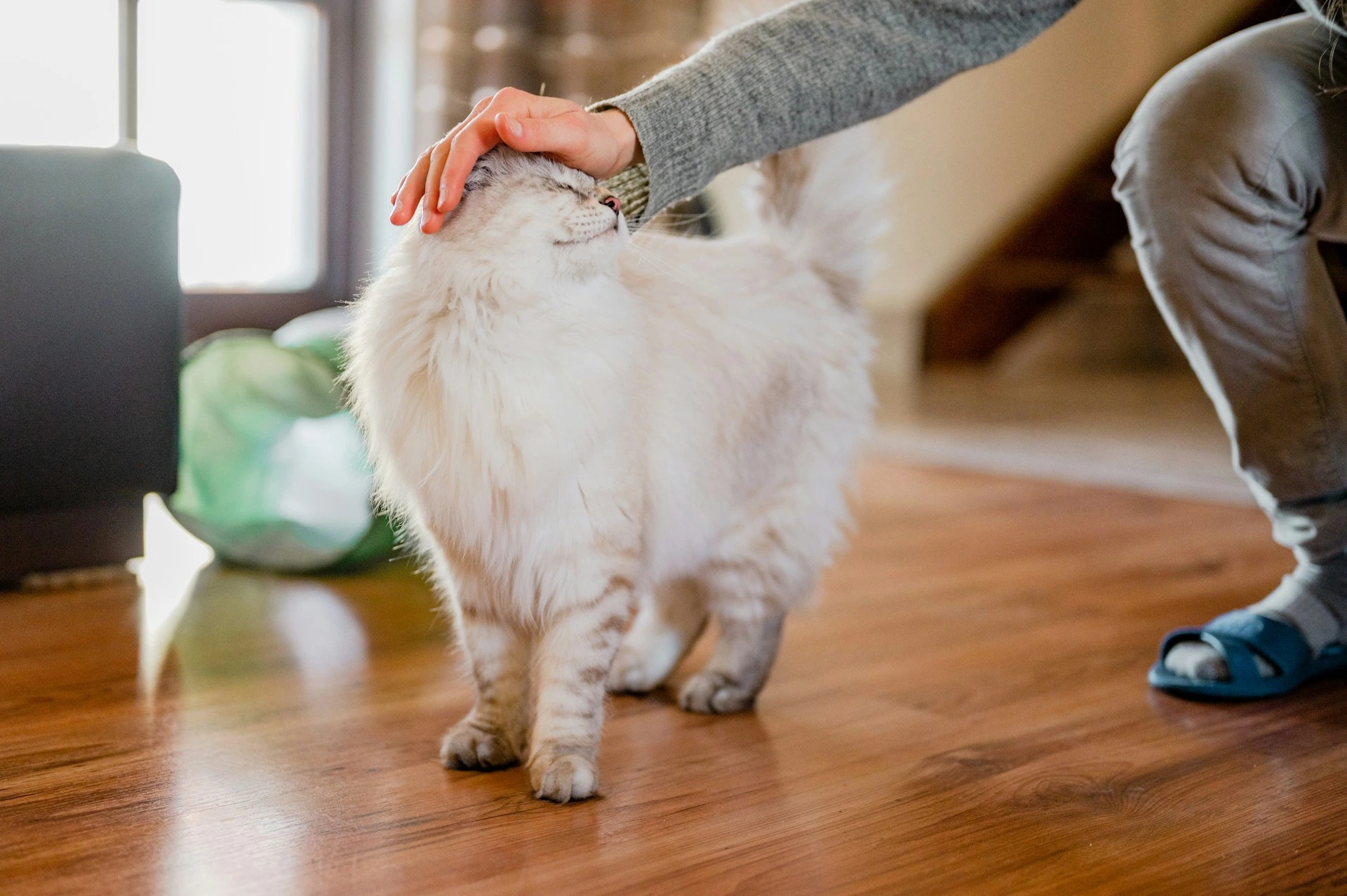
Could Chiropractic Care Help Your Cedar Park Cat Feel Better?
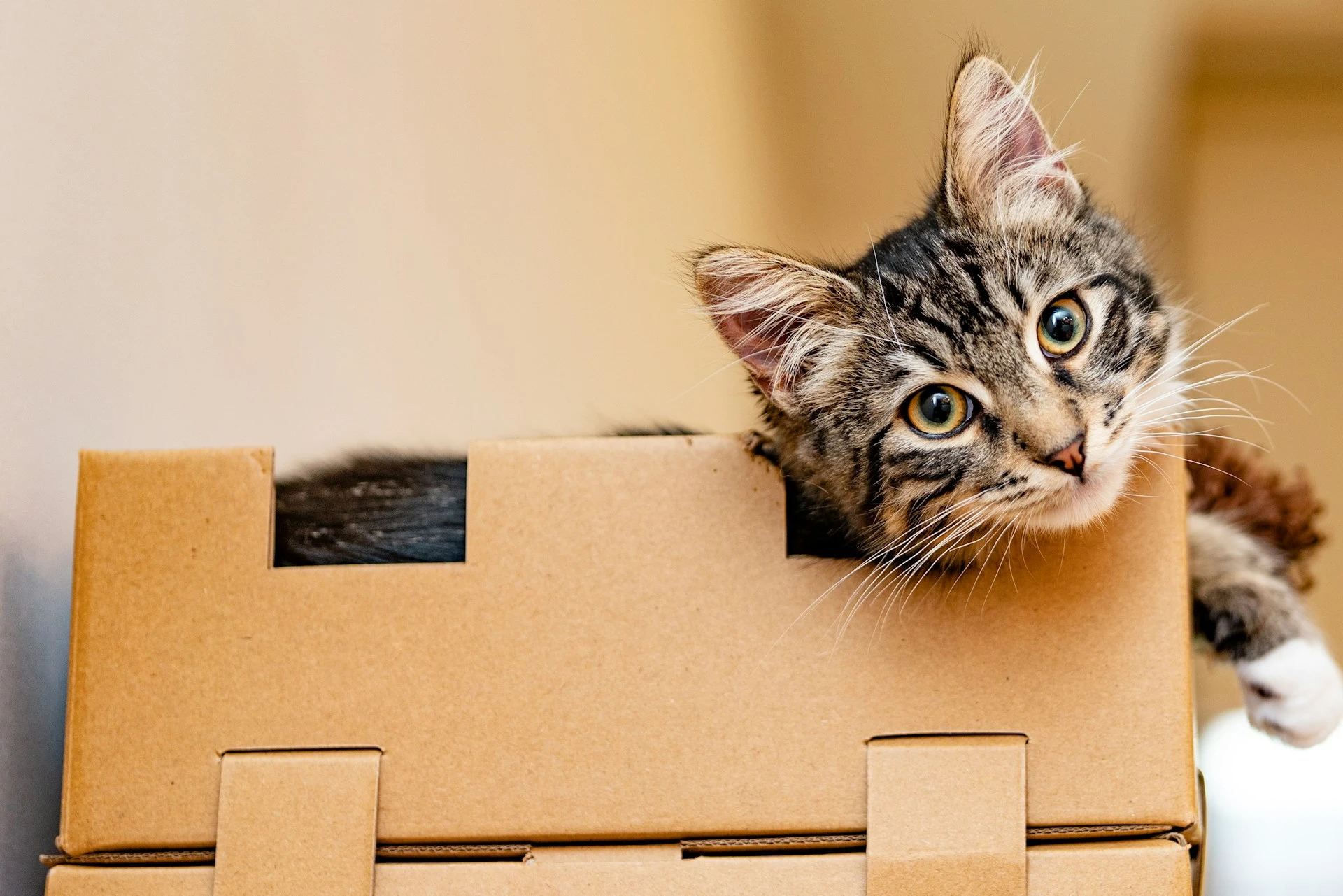
Why Does My Cat Do That? 9 Weird Cat Behaviors Explained
The Texas Parasites Even Indoor Cats Can Pick Up
The Ultimate Guide to Choosing the Right Litter Box