Header Logo

Cats are great at hiding when something is wrong. Your cat might still run around at night, ask for treats, and watch your morning routine, all while quietly dealing with discomfort or illness. At Cat Hospital of Austin, we understand that even small changes in your cat’s routine or behavior can point to bigger health issues. Regular vet visits help keep your cat healthier, more comfortable, and active at every age.
Many cat owners are surprised by how much annual cat wellness exams can reveal. These visits are about much more than vaccines or quick weight checks. Preventive cat care can help identify arthritis, dental disease, kidney concerns, digestive problems, thyroid changes, and mobility issues before they become more serious. Feline wellness care that Northwest Austin cat owners rely on gives your furry bestie the support they need for a longer, healthier life.
Why Routine Veterinary Care Is Important for Cats
Cats instinctively hide pain and illness. In the wild, showing weakness can make an animal vulnerable to predators. Domestic cats still carry those same survival instincts. That means your feline companion may continue eating, playing, and lounging around the house while quietly dealing with discomfort.
Subtle changes are often the earliest warning signs. Your kitty may sleep more, jump less often, become pickier about food, groom differently, or hide more frequently. Because those shifts can happen gradually, they are easy to miss at home.
Regular vet visits help set a health baseline for your cat. At future appointments, your vet can compare your cat’s weight, movement, behavior, and exam results over time. Even small changes can help spot health problems early.
At Cat Hospital of Austin, we have focused only on feline medicine since 2000. Our cat-only clinic offers a quieter, calmer experience that many cats handle better than a typical animal hospital.
Annual Cat Wellness Exams Help Catch Problems Earlier
Yearly wellness appointments are one of the best ways to stay ahead of potential health concerns. Cats rarely show obvious signs of illness early on, which makes preventive care especially valuable.
During annual cat wellness exams, your veterinarian evaluates your kitty from nose to tail while discussing nutrition, behavior, mobility, and lifestyle changes. These visits also allow your veterinary clinic to track changes over time, helping identify developing concerns before they become more advanced.
Weight and Body Condition
Weight changes can reveal important information about overall health. Obesity is extremely common in indoor cats and may contribute to arthritis, diabetes, and reduced mobility. Unexpected weight loss can also point toward an underlying illness.
Dental Health
Dental disease affects many cats long before owners notice symptoms. Cats rarely stop eating because of oral discomfort, so problems like inflamed gums, painful teeth, and infections can progress quietly.
Signs of dental disease may include:
- Bad breath
- Dropping food
- Pawing at the mouth
- Decreased grooming
- Difficulty chewing
Routine veterinary exams help identify dental concerns early and support better long-term comfort for your furry pal.
Mobility and Joint Health
Cats are naturally athletic, but arthritis and stiffness become more common with age. Some cats stop jumping onto counters or furniture, while others hesitate before climbing stairs.
Cat Hospital of Austin offers an integrative approach to feline wellness that focuses on treating the whole cat rather than simply isolated symptoms.
Gentle chiropractic treatments may help support mobility, flexibility, and comfort, especially for aging, arthritic, or post-surgery cats. Chiropractic care may also work alongside traditional veterinary medicine, dietary support, environmental enrichment, and stress reduction techniques.
Skin and Coat Health
Cats are meticulous groomers, so changes in coat condition deserve attention. Greasy fur, dandruff, hair loss, overgrooming, or reduced grooming can point to underlying medical or behavioral concerns.
Internal Health Monitoring
Your veterinarian will listen to your cat’s heart and lungs and evaluate body condition and overall wellness. Depending on age and medical history, diagnostic testing may be recommended.
Preventive Cat Care Austin Families Should Prioritize
Preventive care supports long-term wellness and may reduce the risk of serious health issues later in life. Even healthy indoor cats benefit from regular veterinary care.
Vaccinations
Vaccines help protect cats from contagious diseases that are spread through contact with infected animals or contaminated environments. Even indoor cats face certain risks.
Parasite Prevention
Many owners assume indoor cats are safe from parasites, but fleas, intestinal parasites, and heartworms can still affect them. Mosquitoes regularly enter homes in Texas, making heartworm prevention important.
Nutrition and Weight Management
Cats have unique nutritional needs. Maintaining a healthy body condition plays a major role in wellness. Weight management discussions during wellness visits support healthy aging and mobility.
Environmental Enrichment
Mental stimulation matters as much as physical health for many cats. Window perches, climbing spaces, scratching posts, puzzle feeders, and interactive play sessions support healthy feline behavior and reduce boredom.
At Cat Hospital of Austin, feline wellness care often includes conversations about enrichment and stress reduction alongside traditional veterinary care.
Common Signs Your Cat May Need Veterinary Care
Many cats act relatively normal even while feeling unwell. Because of this, small changes can be the most important clues.
A few common signs that may signal a need for veterinary attention include:
- Changes in appetite or thirst
- Weight gain or weight loss
- Bad breath
- Trouble jumping
- Increased vocalization
- Changes in litter box habits
- Sleeping more than usual
- Hiding more frequently
- Vomiting or diarrhea
- Changes in grooming behavior
Some cats become clingier when they do not feel well, while others withdraw and avoid interaction. Every feline friend has their own personality and routine, which is why even subtle behavioral changes deserve attention.
Why Cat-Only Veterinary Clinics Feel Different
Cats experience stress differently from dogs. Loud barking, unfamiliar smells, and busy waiting rooms make veterinary visits overwhelming for many feline patients.
Cat Hospital of Austin is recognized as a Cat Friendly Practice Silver through the Feline Veterinary Medical Association. Our veterinary team focuses entirely on feline medicine and behavior, helping create a calmer, more comfortable experience for cats.
Because our clinic sees only cats, appointments are quieter and less stressful. That specialized environment helps many nervous kitties feel safer during exams and treatments.
Small Changes Matter More Than You Think
One of the most important things you can do for your furry friend is pay attention to subtle changes. Cats rarely announce when something is wrong. Your feline overlord may simply sleep in a different spot, stop jumping onto the couch, or become slightly less social.
Those small shifts can sometimes be the earliest clues that your kitty needs medical attention. Regular wellness visits help identify changes before they become larger concerns while also building familiarity with the veterinary clinic itself.
When cats visit the veterinarian regularly, appointments become less stressful over time because the experience feels more familiar and predictable.
Does your kitty get anxious during vet visits? The ASPCA has a great article on taking your cat to the vet. International Cat Care also has an article on taking your cat to the animal clinic.
FAQ
How often should indoor cats see a veterinarian?
Most healthy adult indoor cats should visit the veterinarian once a year for wellness care. Senior cats and cats with chronic conditions may benefit from more frequent visits.
What happens during annual cat wellness exams?
Annual wellness exams typically include a physical examination, weight evaluation, dental assessment, mobility check, vaccine review, and discussions about nutrition and behavior.
When cats need a vet visit, what symptoms should owners watch for?
Changes in appetite, litter box habits, grooming, activity levels, mobility, vocalization, or behavior may all signal a need for veterinary care.
Why do cats hide illness?
Cats instinctively hide weakness and discomfort as a survival behavior, which means health problems often appear subtle at first.
Can chiropractic care help cats?
Some cats with arthritis, mobility concerns, stiffness, or post-surgical discomfort may benefit from gentle feline chiropractic care as part of an integrative treatment approach.
Schedule an Appointment at Our Northwest Austin, TX Veterinary Clinic
Regular wellness visits play a major role in helping your kitty stay healthy, active, and comfortable throughout life. Whether your feline companion needs preventive care, annual cat wellness exams, or support for subtle health changes, the team at Cat Hospital of Austin is here to help. If you have been searching online for a trusted “vet near me,” our Northwest Austin, TX, veterinary clinic provides compassionate feline-focused care tailored to your cat’s unique needs.
Call Cat Hospital of Austin today to schedule an appointment and give your furry bestie the personalized veterinary care they deserve.
This blog is intended for informational purposes only. Always consult your veterinarian for medical advice, diagnosis, and treatment recommendations that fit your pet’s individual needs.
Do you want to learn more about Cat Hospital of Austin, our premier Northwest Austin pet clinic? Stop by our Services page for an overview of our clinic and offerings. We are proud to be a cats-only practice, and have been awarded a silver designation by the American Association of Feline Practitioners (AAFP) for being a feline-friendly practice. We offer a variety of services, from spay/neuter and wellness to chiro for kitties. Contact us anytime to learn more.
New Kitty at Home? How to Help Cats Actually Get Along
Preventive Care for Cats: Tips From an Austin Vet
6 Sneaky Signs Your Cat May Have Dental Disease
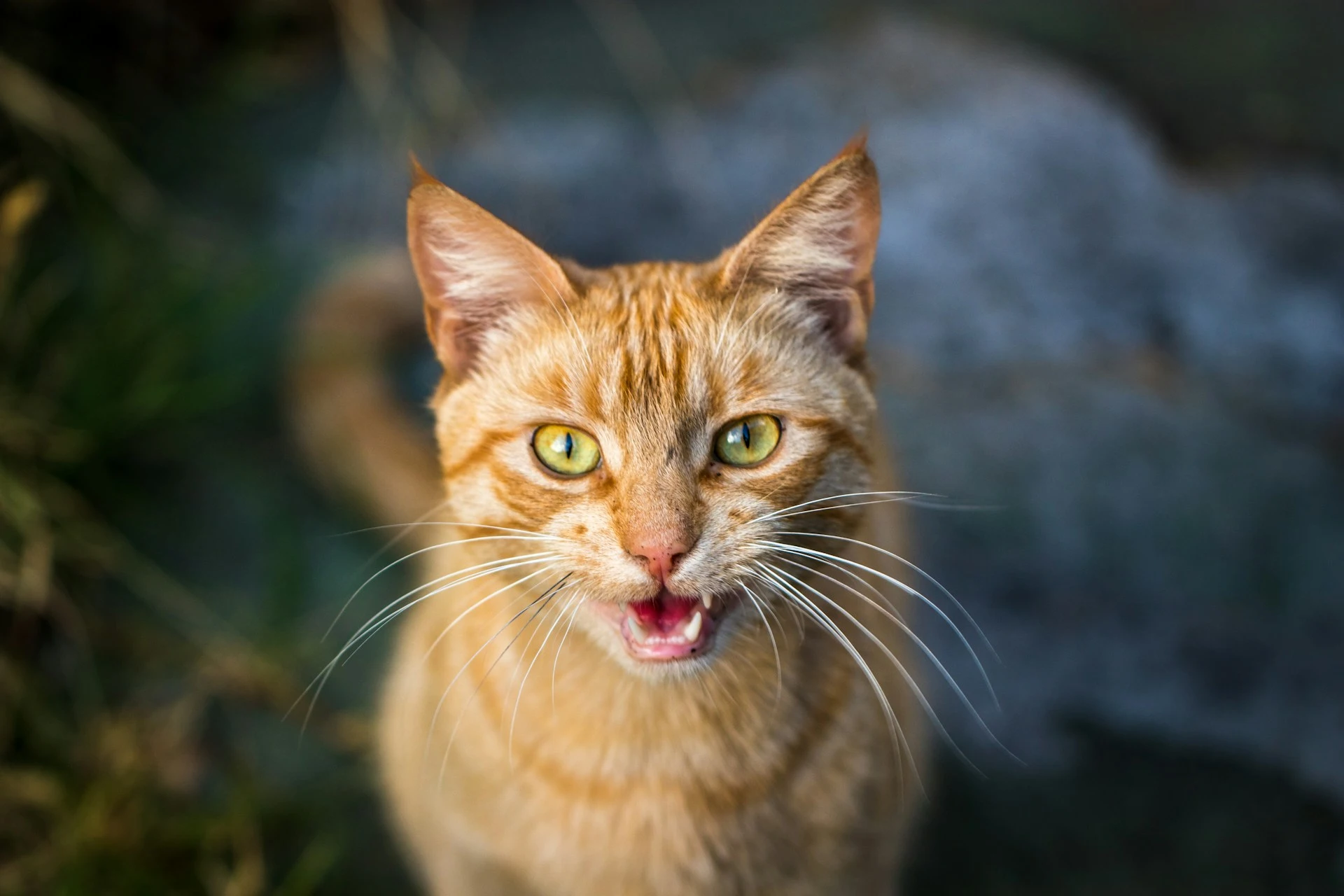
Why Is My Cat Suddenly Meowing More Than Usual?
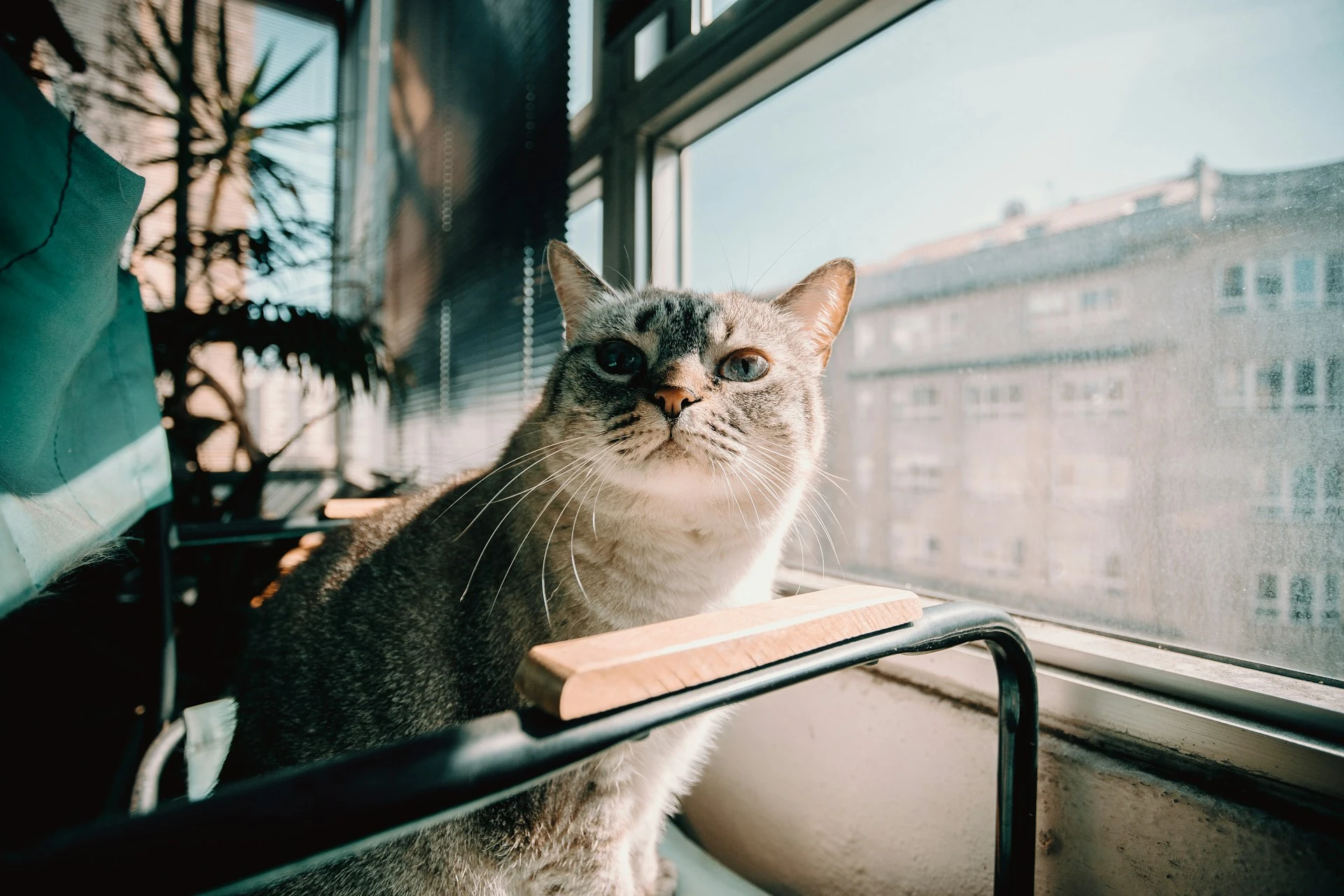
5 Simple Ways to Keep Senior Cats Active at Home
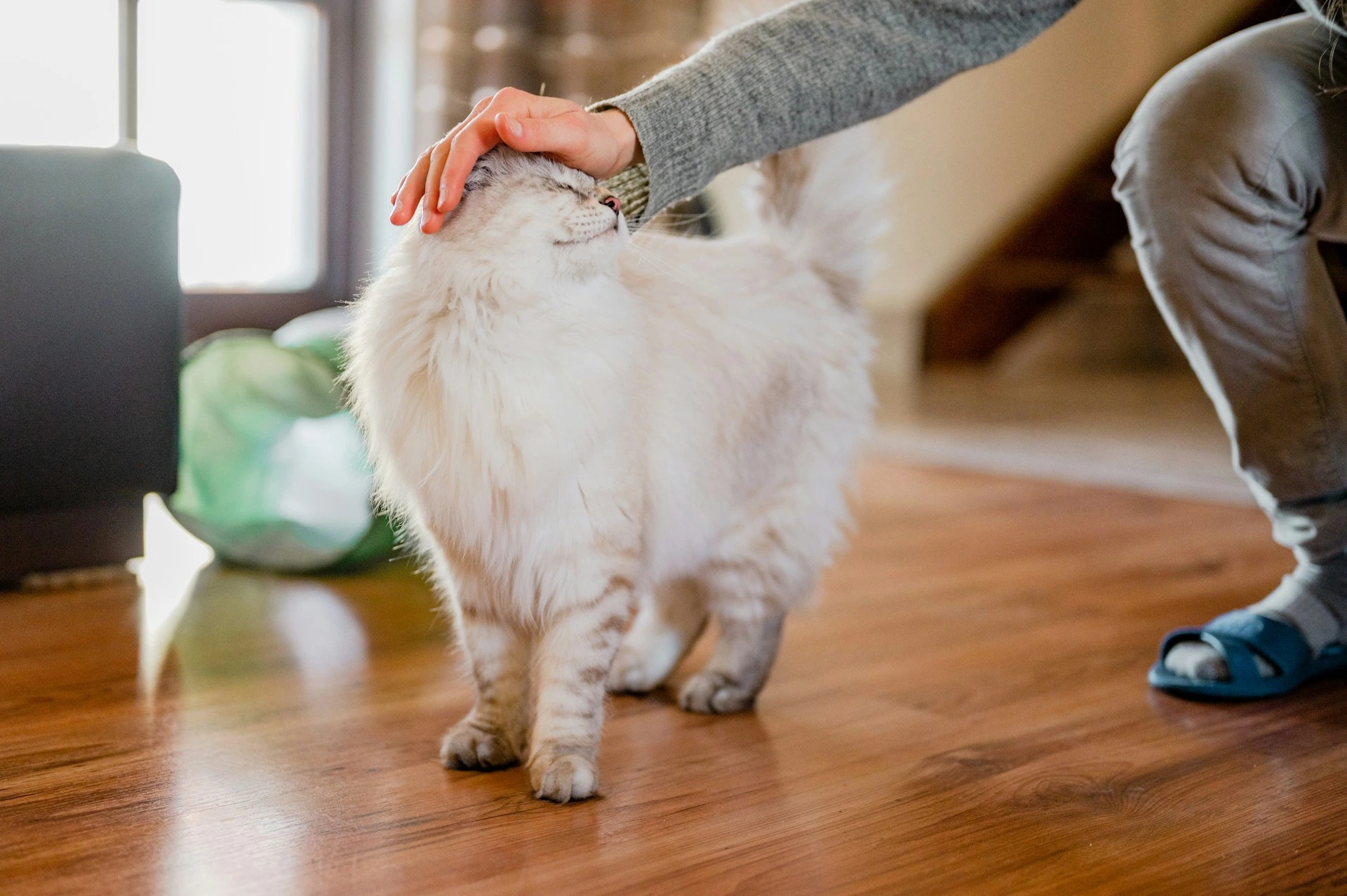
Could Chiropractic Care Help Your Cedar Park Cat Feel Better?
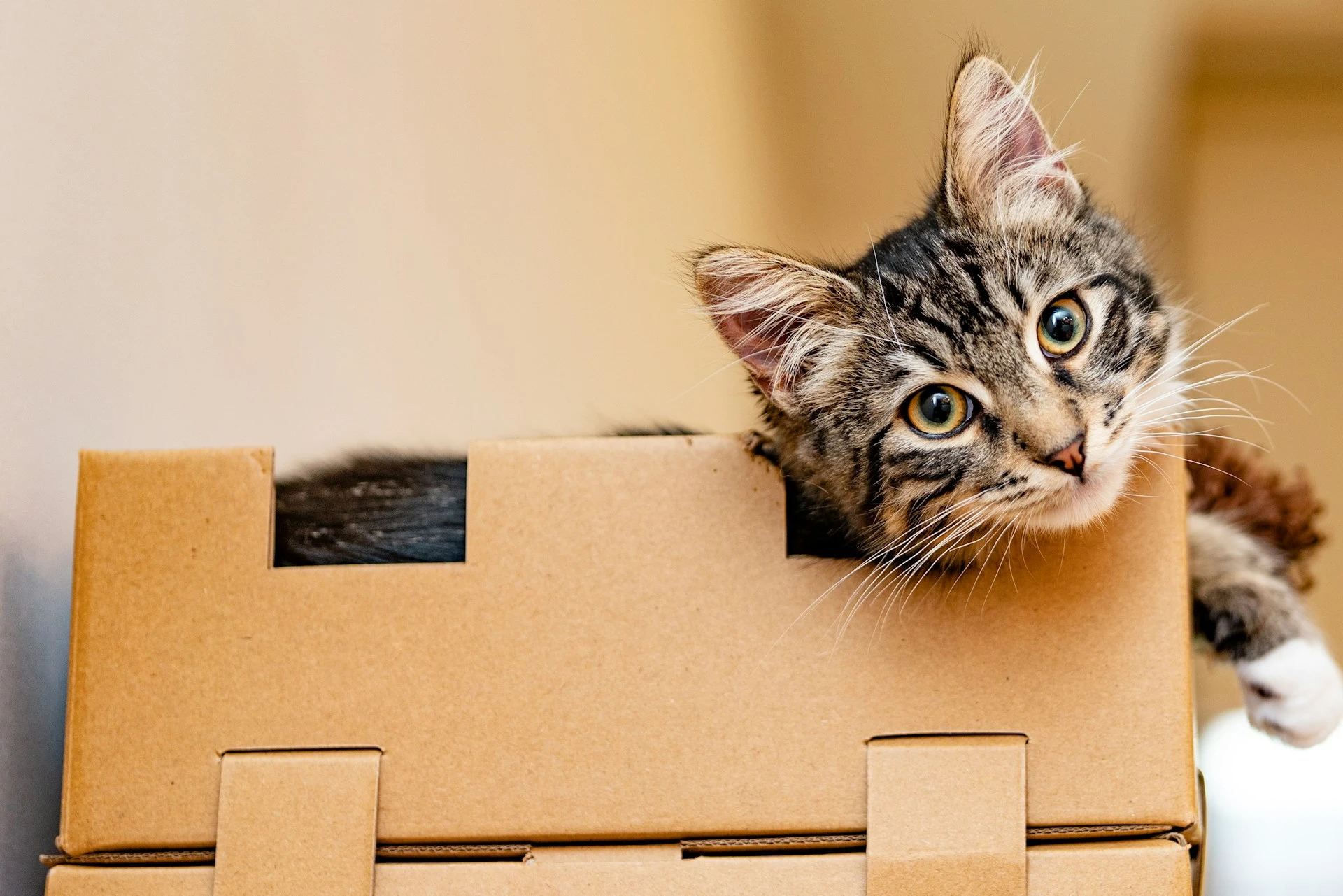
Why Does My Cat Do That? 9 Weird Cat Behaviors Explained
The Texas Parasites Even Indoor Cats Can Pick Up
The Ultimate Guide to Choosing the Right Litter Box