Header Logo

Senior cats have a way of becoming even more lovable with age. Your once chaotic little kitten may now spend afternoons stretched across the warm. If you share your home with a senior cat, you’ve probably noticed that our feline friends just get sweeter with age. That wild little kitten who once zoomed around the house may now be found stretched out in the sunniest spot, keeping a watchful eye on the family with all the wisdom of a tiny, furry sage. Of course, aging brings some changes—sometimes subtle, sometimes not so much—that can affect your kitty’s comfort, mobility, and overall health. Here at Cat Hospital of Austin, we’re all about helping your older cat stay comfy, active, and happy through every stage of their golden years. volves adjusting routines, monitoring subtle health changes, and supporting mobility and comfort at home. Aging cat health tips and regular senior cat wellness exams help your furry bestie maintain a better quality of life while allowing health concerns to be identified earlier. Mobility support for senior cats can also make a major difference in helping aging felines continue enjoying their favorite daily routines.
When Is a Cat Considered a Senior?
Most cats enter their senior years around age 10, though, just like people, some kitties show their age a little sooner or later. Every cat is unique; some are spry seniors at 12, while others start slowing down a bit earlier.
Senior cats often experience gradual physical and behavioral changes over time, including:
- Reduced activity levels
- Increased sleep
- Changes in mobility
- Weight changes
- Altered grooming habits
- Changes in appetite
- Increased vocalization
Some cats continue to act youthful well into their senior years, while others begin to slow down earlier. Every feline companion ages differently.
Regular checkups are extra important for our senior kitties, since a few more health issues tend to pop up as they get older. Catching things early can make a big difference for your furry pal’s comfort and happiness.
Why Senior Cat Wellness Exams Matter
Senior cat wellness exams are a great way to catch those sneaky health changes that our feline friends are so good at hiding. Cats are experts at pretending everything is fine, so sometimes illnesses can fly under the radar until they’re more serious.
Routine wellness visits allow veterinarians to monitor:
- Weight changes
- Mobility
- Dental health
- Kidney function
- Thyroid health
- Behavior changes
- Appetite and hydration
- Overall body condition
With older cats, even little changes can mean a lot. If you notice your kitty losing a bit of weight, drinking more water, skipping their usual grooming sessions, or hesitating before making that big leap, it’s time for a check-in with your vet.
At Cat Hospital of Austin, our feline-focused veterinary team understands the subtle ways aging cats communicate discomfort and illness. Because our clinic treats only cats, appointments are often quieter and less stressful than visits to a traditional mixed animal hospital.
Common Health Changes in Senior Cats
Several medical conditions become more common as cats age. Early detection often allows for better long-term management and improved comfort.
Arthritis and Mobility Changes
Arthritis is extremely common in older cats, but many owners do not recognize the signs because cats rarely limp dramatically.
Instead, you might notice some subtle changes in how your feline overlord gets around. For example, they might:
- Stop jumping onto furniture
- Hesitate before climbing stairs
- Sleep more frequently
- Groom less effectively
- Become less playful
- Choose lower resting spots
You can help your senior cat stay comfy by offering soft bedding, adding ramps or steps, using litter boxes with lower sides, and making sure their favorite napping spots are easy to reach.
Kidney Disease
Chronic kidney disease is one of those things we see a lot in older cats. If your kitty is drinking more water, losing weight, eating less, or having changes in their litter box habits, those could be early signs to watch for.
Routine wellness exams and monitoring help identify kidney changes earlier.
Dental Disease
Dental disease is another common issue as cats get older. Some senior kitties are so tough, they’ll keep eating like nothing’s wrong—even if their mouths are bothering them.
Signs of dental problems may include:
- Bad breath
- Drooling
- Difficulty chewing
- Pawing at the mouth
- Reduced grooming
Keeping your cat’s mouth healthy is a big part of making sure they feel good all over.
Hyperthyroidism
Hyperthyroidism is another condition we see in older cats. If your kitty is eating like a little lion but still losing weight, or if they’re suddenly extra chatty or restless, it might be time for a thyroid check.
Since these symptoms can sneak up on you, regular vet visits are especially helpful for catching things early.
Caring for Older Cats at Home
A few simple tweaks around the house can make a world of difference for your aging cat. Little changes, like softer bedding or easier access to favorite spots, can help take the pressure off stiff joints and keep your kitty comfy.
Helpful senior cat care strategies may include:
- Providing soft bedding
- Using low-entry litter boxes
- Keeping food and water easily accessible
- Adding ramps or pet stairs
- Creating quiet resting areas
- Keeping routines consistent
Senior cats are big fans of routine and love having their favorite spots close by and easy to reach.
Your furry pal probably still wants to snuggle up with you every evening—even if getting onto the couch takes a little more effort these days.
Mobility Support for Senior Cats
When your cat’s mobility changes, it can affect everything from grooming and litter box use to climbing and playtime.
Mobility support for senior cats may involve:
- Non-slip rugs
- Lower climbing surfaces
- Joint-friendly bedding
- Weight management
- Interactive but gentle play sessions
Keeping your senior cat at a healthy weight is extra important, since carrying a few extra pounds can make achy joints feel even worse.
Plenty of older cats still love to climb and explore. They just might need a little help getting to their favorite lookout spots. Try adding a ramp to a window perch or choosing a cat tree that’s not quite so tall, so your senior kitty can keep enjoying the view.
Mental Stimulation Still Matters
Just because your cat is a senior doesn’t mean they’re ready to retire from fun! While they might not zoom around the house like a kitten, older cats still love a little mental stimulation and playtime.
Indoor enrichment may include:
- Puzzle feeders
- Window perches
- Gentle interactive play
- Scratching posts
- Rotating toys
- Comfortable climbing options
Keeping your senior cat’s mind busy can help prevent boredom and encourage them to stay curious and active.
Cats are creatures of habit, so sticking to a regular schedule can help your senior kitty feel safe and comfortable.
Changes in Behavior Should Not Be Ignored
It’s easy to chalk up behavior changes to ‘just getting older,’ but sometimes those shifts are your cat’s way of telling you something’s not quite right.
Changes worth discussing with your veterinarian include:
- Increased vocalization
- Hiding more often
- Appetite changes
- Confusion or disorientation
- Irritability
- Reduced grooming
- Litter box changes
- Increased clinginess
If your senior cat isn’t feeling their best, you’ll often see it in their behavior before you notice any physical symptoms.
Nutrition for Senior Cats
As cats get older, their nutritional needs can shift. Some seniors lose a bit of muscle, while others slow down and start to pack on a few extra ounces.
Healthy nutrition supports:
- Muscle maintenance
- Organ function
- Joint health
- Healthy weight
- Energy levels
At Cat Hospital of Austin, nutritional discussions are often part of senior cat wellness exams because diet plays a major role in long-term feline wellness.
Keep an eye on your senior cat’s appetite. changes in how much (or how little) they eat can be an early sign that something’s up.
Why Cat-Friendly Veterinary Care Matters for Seniors
Trips to the vet can be a little more stressful for senior cats, especially if they’re dealing with stiff joints, hearing loss, or vision changes.
Cat Hospital of Austin has focused exclusively on feline medicine since opening in 2000. As a Cat Friendly Practice Silver-certified through the Feline Veterinary Medical Association, our veterinary clinic is designed specifically around feline comfort and low-stress handling.
A calm environment and gentle handling can make a world of difference for your aging kitty’s vet visits.
Regular checkups can help your senior cat get used to the vet, making future visits a little less stressful for everyone involved.
Cornell University wrote a piece on caring for an older cat. The ASPCA also has a helpful article on senior cat care.
FAQ
What age is considered senior for cats?
Most cats are considered seniors around age 10, although aging changes may begin earlier or later depending on the individual cat.
How often should senior cats see the veterinarian?
Senior cats often benefit from veterinary exams at least once or twice yearly to monitor health changes more closely.
What are common aging cat health tips?
Providing soft bedding, monitoring weight, supporting mobility, maintaining enrichment, and scheduling regular wellness exams are helpful tips for the health of aging cats.
What signs suggest mobility problems in senior cats?
Difficulty jumping, stiffness, sleeping more often, changes in grooming, and avoiding stairs may all suggest mobility concerns.
Why are senior cat wellness exams important?
Senior cat wellness exams help identify gradual health changes early while supporting long-term comfort and quality of life.
Schedule an Appointment at Our Northwest Austin, TX Veterinary Clinic
Senior cats deserve all the love and thoughtful care we can give them, especially when it comes to comfort, mobility, and overall wellness. Whether your feline friend needs a wellness exam, some nutrition advice, a little help getting around, or support with age-related changes, Cat Hospital of Austin is here for you both. If you’re searching for a cat-loving vet in Northwest Austin, you’ve found the right place!
Give us a call at Cat Hospital of Austin to schedule your senior kitty’s next appointment. Let’s work together to keep your furry bestie comfy, healthy, and purring through every stage of life.
This blog is intended for informational purposes only. Always consult your veterinarian for medical advice, diagnosis, and treatment recommendations that fit your pet’s individual needs.
Do you want to learn more about Cat Hospital of Austin, our premier Northwest Austin pet clinic? Stop by our Services page for an overview of our clinic and offerings. We are proud to be a cats-only practice and have been awarded a silver designation by the American Association of Feline Practitioners (AAFP) for being a feline-friendly practice. We offer a variety of services, from spay/neuter and wellness to chiro for kitties. Contact us anytime to learn more.
New Kitty at Home? How to Help Cats Actually Get Along
Preventive Care for Cats: Tips From an Austin Vet
6 Sneaky Signs Your Cat May Have Dental Disease
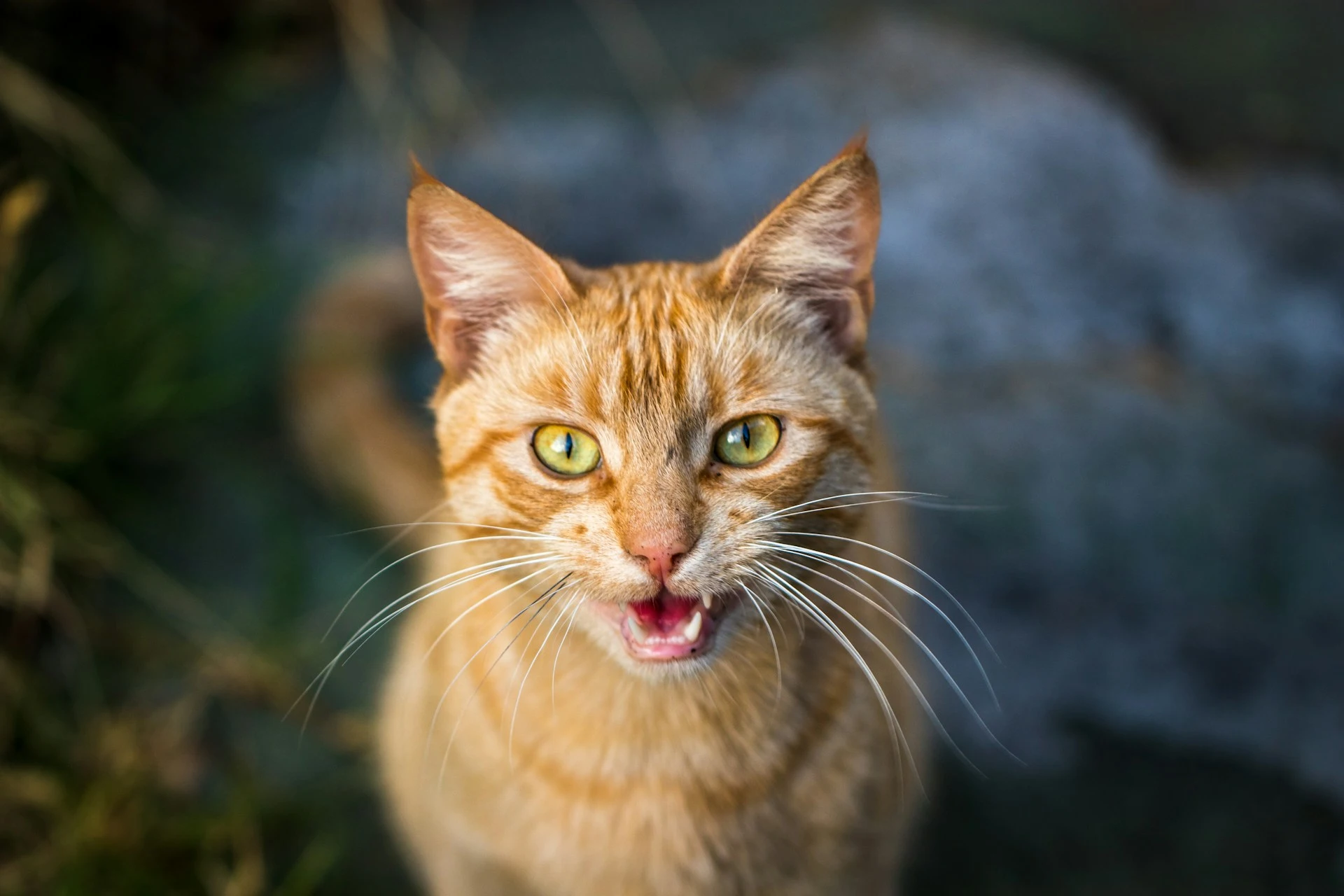
Why Is My Cat Suddenly Meowing More Than Usual?
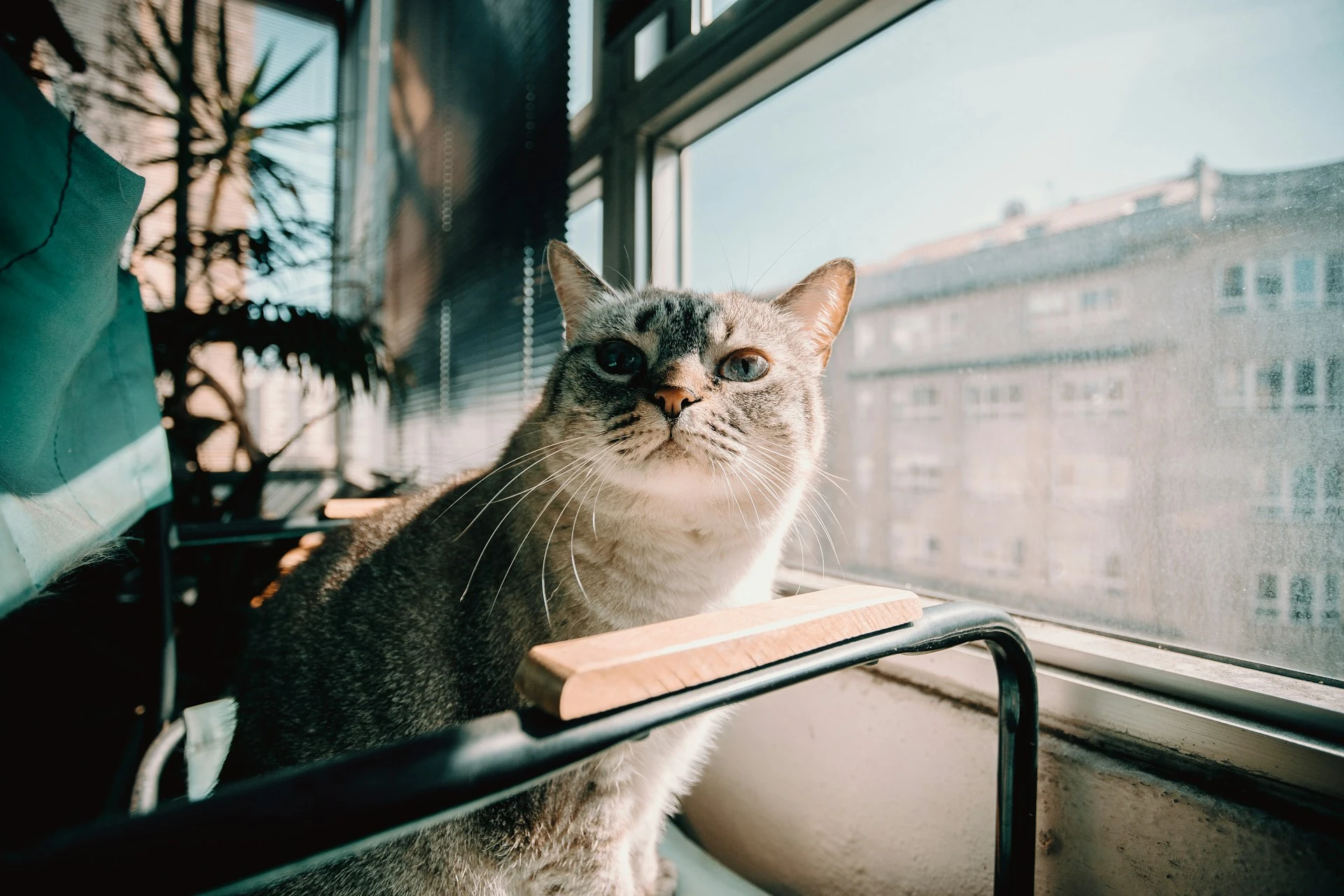
5 Simple Ways to Keep Senior Cats Active at Home
Could Chiropractic Care Help Your Cedar Park Cat Feel Better?
Why Does My Cat Do That? 9 Weird Cat Behaviors Explained
The Texas Parasites Even Indoor Cats Can Pick Up
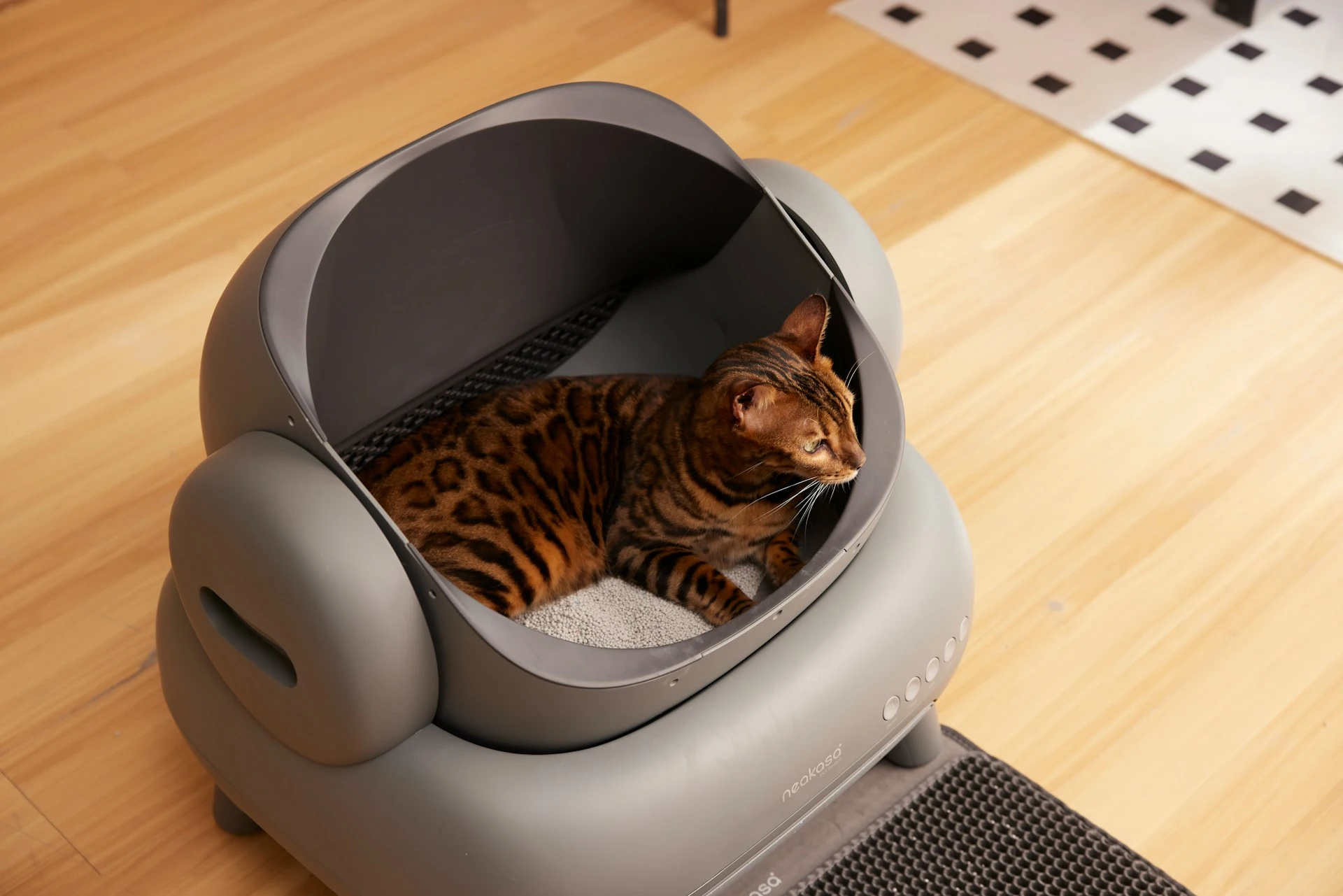
The Ultimate Guide to Choosing the Right Litter Box