Header Logo

Cats are experts at hiding discomfort. Your kitty may continue eating, napping in favorite sunbeams, and demanding treats like nothing is wrong while quietly dealing with significant oral pain. At Cat Hospital of Austin, your Austin, TX veterinary clinic, dental disease in cats is one of the most common health concerns seen during wellness exams, especially in adult and senior cats. Unfortunately, many signs develop gradually and can be easy to miss at home.
Dental problems don’t just stay in the mouth—they can affect everything from your cat’s appetite and grooming habits to their mood and overall happiness. Sometimes, the signs are so sneaky that you might chalk them up to your kitty just being quirky or getting older. Knowing what to watch for (and what that not-so-sweet kitty breath might mean) can help you catch issues early. Regular checkups and professional dental cleanings are some of the best ways to keep your furry bestie’s teeth, gums, and whole body in tip-top shape.
Why Dental Disease in Cats Is So Common
Cats are hardwired to hide pain—it’s a survival trick from their wild ancestors—so dental problems can sneak up on us before we know it.
Dental disease in cats may include:
- Gingivitis
- Tartar buildup
- Tooth resorption
- Infections
- Inflamed gums
- Loose teeth
Even if your kitty’s mouth is really bothering them, they might keep eating like nothing’s wrong. Instinct tells them to hide any weakness, so they do their best to keep up appearances.
It’s no wonder so many cat parents are surprised when we find dental disease—those early symptoms can be so subtle, they’re easy to miss.
1. Bad Breath That Seems Stronger Than Normal
Let’s be honest—cats aren’t exactly known for having minty-fresh breath. But if your kitty’s breath could knock you over, that’s a sign something’s not right.
One of the most common causes of bad breath is dental disease.
Strong odor may develop because of:
- Bacteria buildup
- Gum inflammation
- Tooth infections
- Tartar accumulation
- Decaying teeth
If you notice your cat’s breath suddenly smells a lot worse than usual, it’s time to schedule a dental checkup.
Persistent bad breath is usually more than just regular old ‘cat breath.’
2. Drooling or Pawing at the Mouth
If your cat starts drooling more than usual or pawing at their mouth, it could be a sign that their mouth is bothering them.
You may notice:
- Wet fur around the mouth
- Saliva on bedding
- Lip smacking
- Face rubbing
- Pawing near the jaw
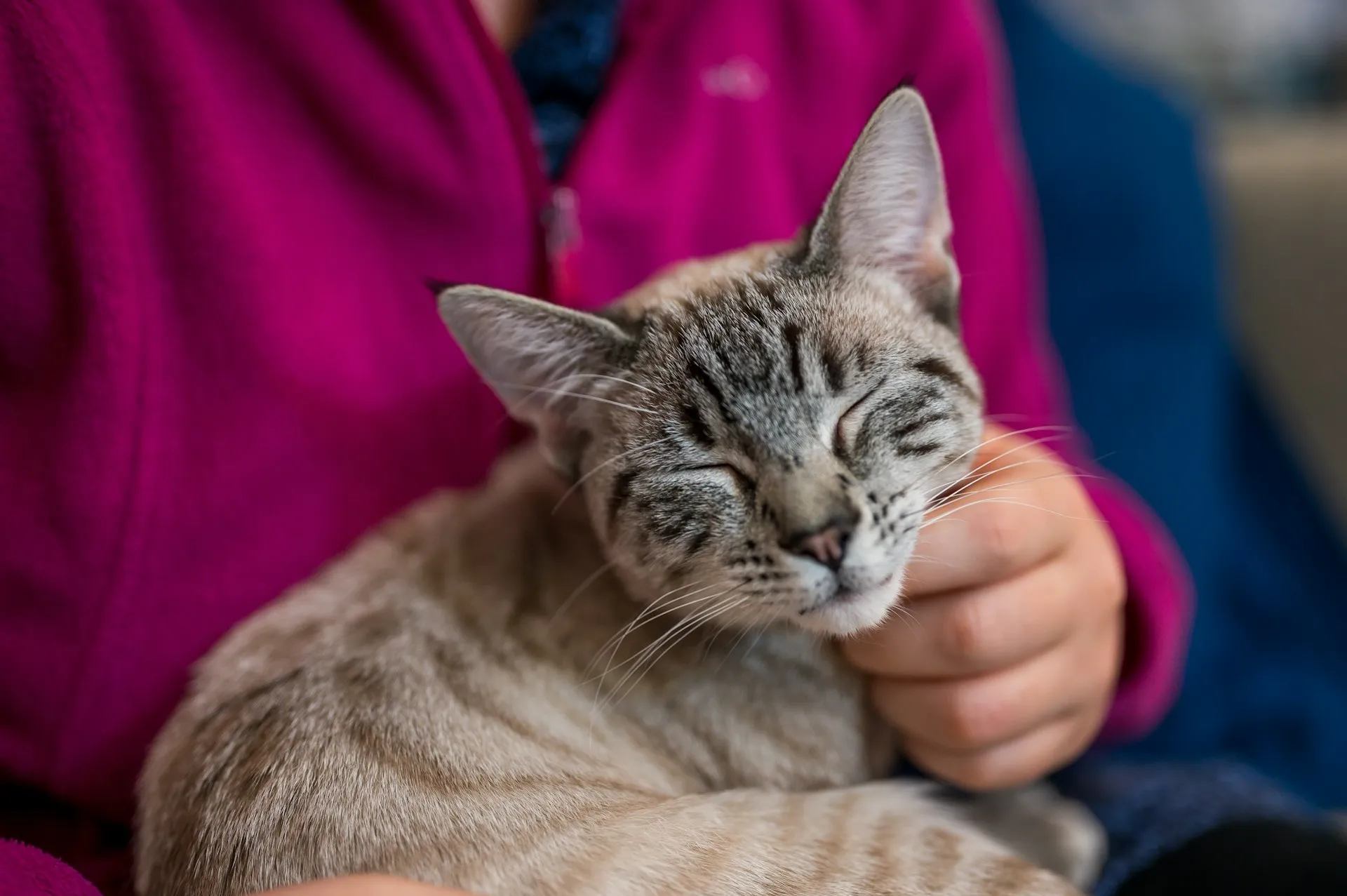
Some kitties might also shy away from face rubs or chin scratches if their mouth is feeling sore.
Drooling combined with decreased appetite or visible redness around the gums deserves prompt veterinary attention.
3. Changes in Eating Habits
Cats with sore mouths often keep eating, but you might notice they’re eating differently than usual.
Signs of cat dental disease sometimes include:
- Eating more slowly
- Dropping food
- Chewing on one side
- Avoiding crunchy foods
- Hesitating before eating
- Reduced appetite
Some cats will run up to their food bowl, only to walk away after realizing that chewing isn’t so fun right now.
Your feline overlord may still insist on meal time enthusiasm while quietly struggling with oral discomfort behind the scenes.
4. Reduced Grooming
Cats are naturally meticulous groomers, so coat condition often reflects overall health and comfort.
Cats with dental pain may groom less because mouth movement feels uncomfortable.
This may lead to:
- Greasy fur
- Matting
- Dandruff buildup
- Poor coat condition
Reduced grooming sometimes develops gradually, making it easy to overlook at first.
Senior cats with both arthritis and dental disease may especially struggle with grooming routines.
5. Irritability or Behavior Changes
Pain can turn even the sweetest, most laid-back kitty into a bit of a grump.
Dental discomfort may contribute to:
- Increased hiding
- Irritability
- Reduced social interaction
- Reluctance to be touched
- Less interest in play
Some cats just get quieter or spend more time snoozing than usual.
Since cats are so good at hiding pain, changes in their behavior are often the best clues that something’s up.
6. Red or Bleeding Gums
If you spot red or swollen gums, that’s one of the more obvious signs your cat might have dental disease.
Healthy kitty gums should look light pink. If you see redness, swelling, or bleeding, it could mean there’s inflammation or infection brewing.
Other visible warning signs may include:
- Yellow tartar buildup
- Missing teeth
- Swollen gums
- Bleeding around the mouth
- Visible mouth sensitivity
Many cats resist mouth examinations at home, so routine veterinary exams are important for identifying problems hidden below the gumline.
Why Dental Disease Affects More Than the Mouth
Dental disease doesn’t just make chewing uncomfortable—it can affect your cat’s whole body and overall well-being.
Untreated oral disease may contribute to:
- Chronic pain
- Difficulty eating
- Weight loss
- Reduced grooming
- Stress-related behavior changes
Cats are tough cookies and often keep going even when they’re hurting, which is why staying on top of dental care is so important.
What Happens During a Professional Cat Dental Cleaning?
A professional cat dental cleaning is a lot more involved than just brushing those pearly whites.
Veterinary dental care may include:
- Oral examination
- Dental X-rays
- Tartar removal
- Gum evaluation
- Tooth assessment
- Cleaning below the gumline
Dental X-rays are super important because many cat dental problems start below the surface, where we can’t spot them just by looking.
At Cat Hospital of Austin, dental evaluations are part of preventive wellness care because oral health plays a key role in feline comfort and long-term well-being.
Feline Dental Care Tips for Home
While home dental care does not replace professional veterinary treatment, healthy habits may help support oral health between exams.
Helpful feline dental care tips may include:
- Scheduling regular wellness exams
- Monitoring for bad breath
- Watching for eating changes
- Checking for grooming changes
- Following veterinary dental recommendations
Cats vary greatly in their tolerance for home dental routines, so veterinary guidance helps determine what works best for each cat.
Why Senior Cats Need Extra Dental Monitoring
Dental disease tends to show up more as cats get older. Senior kitties can end up with a few different issues at once, which can make eating and staying comfortable a real challenge.
Older cats with oral discomfort sometimes show subtle symptoms such as:
- Weight loss
- Increased sleeping
- Reduced grooming
- Changes in social behavior
Routine wellness exams help identify these changes earlier, before pain becomes more advanced.
Since cats are so good at hiding when they’re hurting, it’s easy to underestimate just how much dental disease can affect their day-to-day life.
Why Cat-Friendly Veterinary Care Helps
Let’s face it—most cats aren’t thrilled about trips to the vet, especially if their mouth is already sore.
Cat Hospital of Austin has focused exclusively on feline medicine since opening in 2000. As a Cat Friendly Practice Silver certified through the Feline Veterinary Medical Association, our veterinary clinic is designed specifically around feline comfort and low-stress handling.
Because our clinic treats only cats, appointments are often quieter and calmer for feline patients.
Our feline-focused team understands the subtle signs of dental discomfort that cats commonly hide at home.
Read some fun facts about cat teeth at the PetMD website. They also have a helpful article on feline dental issues.
FAQ
What are common signs of cat dental disease?
Bad breath, drooling, changes in eating, reduced grooming, gum redness, and behavioral changes are common warning signs.
What causes bad breath in cats?
Common causes of a cat’s bad breath include tartar buildup, gum disease, oral infections, and other dental problems.
Why do cats hide dental pain?
Cats instinctively hide discomfort as a survival behavior, which makes dental disease difficult to detect early.
What happens during professional cat dental cleaning?
Veterinary dental cleanings may include oral exams, tartar removal, dental X-rays, and treatment of diseased teeth or gums.
Why is dental disease in cats dangerous?
Dental disease may cause chronic pain, difficulty eating, infections, and reduced quality of life if left untreated.
Visit Our Austin, TX Veterinary Clinic for Feline Dental Care
Dental health plays a major role in your kitty’s comfort, appetite, and overall wellness. Whether your feline companion needs a dental evaluation, professional cat dental cleaning, wellness care, or preventive support, Cat Hospital of Austin is here to help. If you have been searching online for a trusted “vet near me,” our Austin, TX, veterinary clinic provides compassionate, feline-focused care for cats.
Call Cat Hospital of Austin today to schedule an appointment and help your furry bestie maintain a healthier and more comfortable smile.
This blog is intended for informational purposes only. Always consult your veterinarian for medical advice, diagnosis, and treatment recommendations that fit your pet’s individual needs.
Do you want to learn more about Cat Hospital of Austin, our premier Northwest Austin pet clinic? Stop by our Services page for an overview of our clinic and offerings. We are proud to be a cats-only practice and have been awarded a silver designation by the American Association of Feline Practitioners (AAFP) for being a feline-friendly practice. We offer a variety of services, from spay/neuter and wellness to chiro for kitties. Contact us anytime to learn more.
New Kitty at Home? How to Help Cats Actually Get Along

Preventive Care for Cats: Tips From an Austin Vet
6 Sneaky Signs Your Cat May Have Dental Disease
Why Is My Cat Suddenly Meowing More Than Usual?
5 Simple Ways to Keep Senior Cats Active at Home
Could Chiropractic Care Help Your Cedar Park Cat Feel Better?
Why Does My Cat Do That? 9 Weird Cat Behaviors Explained
The Texas Parasites Even Indoor Cats Can Pick Up
The Ultimate Guide to Choosing the Right Litter Box