Header Logo

Cats may not speak your language, but they are absolutely communicating with you all day long. Some kitties chirp politely for breakfast, while others hold lengthy conversations about closed bathroom doors, empty food bowls, or the unacceptable lack of attention being directed toward them at any given moment. At Cat Hospital of Austin, your Northwest Austin, TX veterinary clinic, excessive meowing in cats is one of the more common behavior concerns owners notice, especially when the vocalization suddenly changes.
There are plenty of reasons your cat might suddenly become a little more talkative. Some kitties just get chattier with age or when their routine changes. Others might be meowing more because they’re stressed, bored, not feeling well, or just want a little extra TLC. The trick is figuring out when your cat’s chatter is just normal feline commentary and when it’s a sign that something more serious is going on. If your cat suddenly starts meowing more than usual, don’t brush it off—sometimes, it’s their way of telling you they need a little help.
Why Cats Meow in the First Place
Interestingly, adult cats rarely meow at each other. Meowing is primarily a form of communication directed toward humans.
Cats may meow to:
- Ask for food
- Seek attention
- Greet people
- Express stress
- Request access to spaces
- Communicate discomfort
- Signal confusion or anxiety
Some cats are just born chatterboxes. Certain feline personalities seem determined to provide a running commentary on every single thing that happens in your house.
Your feline overlord may believe your role in life is to immediately respond to every single opinion they choose to announce.
When Excessive Meowing in Cats Becomes Concerning
Sudden or dramatic increases in vocalization are usually more concerning than a cat that has always been talkative.
Changes worth paying attention to include:
- Meowing more frequently
- Louder vocalization
- Nighttime vocalization
- Distressed-sounding cries
- Vocalization paired with behavior changes
- Meowing combined with appetite or litter box changes
Cats are masters at hiding when they’re not feeling their best, so sometimes, extra meowing is one of the first hints that something’s up—physically or emotionally.
Stress and Anxiety Can Cause Vocalization
Cats are sensitive animals who thrive on routine and predictability. Even small disruptions may significantly affect behavior.
Stressed cats meowing more often may be reacting to:
- Moving homes
- New pets
- Visitors
- Construction noise
- Changes in routine
- New babies
- Boarding stays
- Environmental changes
Some stressed-out kitties get extra clingy and chatty, while others prefer to hide out and keep quiet.
Cats often communicate stress through subtle behavior shifts before more obvious symptoms appear.
Environmental enrichment can help reduce anxiety for many indoor cats. Window perches, climbing spaces, scratching posts, and interactive play all support emotional wellness and stress reduction.
Boredom and Attention-Seeking Behavior
Some cats are quick learners and figure out that meowing gets them exactly what they want.
If vocalization consistently leads to:
- Food
- Attention
- Playtime
- Treats
- Open doors
Your kitty will keep using their meow as their secret weapon.
Indoor cats, in particular, might get a little noisier if they’re bored or don’t have enough to do during the day.
A lot of the time, extra meowing is just a smart cat’s way of saying, ‘Hey, pay attention to me!’ Cats are clever and quickly figure out what gets your attention.
Regular play sessions and fun activities can go a long way toward keeping your kitty entertained—and a little quieter.
Hunger and Feeding Routines
Cats thrive on predictable schedules, and many become extremely vocal around feeding times.
Some cats start announcing breakfast about three hours before you even think about getting up. (They’re nothing if not persistent!)
Sudden increases in hunger-related vocalization may occasionally relate to medical concerns such as:
- Hyperthyroidism
- Diabetes
- Digestive issues
- Nutritional changes
If your cat’s meowing comes with changes in appetite, it’s definitely time to check in with your vet.
Senior Cats Meowing at Night
One of the most common concerns involving older cats is nighttime vocalization.
Senior cats meowing at night may experience:
- Cognitive changes
- Vision decline
- Hearing changes
- Anxiety
- Disorientation
- Pain or discomfort
Older cats can get confused in the dark or when things are too quiet, especially if their senses are starting to fade a bit.
Nighttime vocalization in senior cats may sound distressed, repetitive, or unusually persistent.
Nightlights, a predictable routine, easy-to-find litter boxes, and cozy sleeping spots can all help your senior kitty feel more comfortable and less anxious.
Regular checkups are especially important for older cats, since age-related issues can sneak up on you.
Pain and Illness Can Affect Vocalization
Cats experiencing discomfort may become more vocal than usual.
Medical causes of excessive meowing in cats may include:
- Arthritis
- Dental pain
- Hyperthyroidism
- Kidney disease
- High blood pressure
- Cognitive decline
- Digestive discomfort
Cats are pretty sneaky about hiding pain, so more meowing can sometimes be one of the only signs that something’s not right.
Your furry bestie might seem totally normal otherwise, which is why it’s so important to pay attention to any sudden changes in their behavior.
Why Hyperthyroidism Often Causes Increased Meowing
Hyperthyroidism is especially common in older cats and frequently causes behavior changes.
Cats with hyperthyroidism may experience:
- Increased appetite
- Weight loss
- Restlessness
- Hyperactivity
- Increased vocalization
Some cats become dramatically more talkative and demanding than usual.
Routine bloodwork and wellness exams help identify conditions like hyperthyroidism earlier, often before symptoms become severe.
Environmental Changes Affect Cats More Than People Realize
Cats pick up on changes that we humans barely even notice.
New furniture, different schedules, visitors, loud weather, or even moving a litter box may create stress for sensitive cats.
Cat behavior changes sometimes appear after:
- Home renovations
- Schedule disruptions
- New pets
- Rearranged furniture
- Travel
- Changes in household activity
Keeping things predictable at home helps your cat feel safe and secure.
When Meowing Is an Emergency
Most changes in meowing aren’t emergencies, but some signs mean you should call your vet right away.
Contact your veterinarian if excessive meowing occurs alongside:
- Difficulty breathing
- Straining in the litter box
- Vomiting
- Sudden collapse
- Severe lethargy
- Refusing food
- Obvious pain
Cats with a urinary blockage, severe pain, or sudden illness might meow loudly because they’re in distress or uncomfortable.
Why Routine Veterinary Care Matters
Changes in your cat’s behavior are often one of the first signs that something’s wrong. Regular vet visits can help catch problems early, before they get serious.
At Cat Hospital of Austin, our feline-focused veterinary team evaluates both medical and behavioral causes when cats develop unusual vocalization patterns.
Because our clinic treats only cats, appointments are often quieter and less stressful for feline patients.
Cat Hospital of Austin has focused exclusively on feline medicine since opening in 2000. As a Cat Friendly Practice Silver certified through the Feline Veterinary Medical Association, our veterinary clinic is designed specifically around feline comfort and low-stress handling.
Chewy has an article on kitty vocalizations. The ASPCA also covers the cat’s meow.
FAQ
What causes excessive meowing in cats?
Excessive vocalization may be caused by stress, boredom, illness, aging, hunger, attention-seeking, or environmental changes.
Why do stressed cats meow more?
Cats experiencing anxiety or routine disruptions often vocalize more as a way of expressing discomfort or seeking reassurance.
Why are senior cats meowing at night?
Senior cats may vocalize at night due to cognitive changes, anxiety, hearing loss, vision loss, or medical conditions.
When should cat behavior changes worry me?
Sudden changes in vocalizations paired with appetite loss, hiding, litter box changes, or lethargy should be discussed with your veterinarian.
Why do cats vocalize more as they age?
Older cats sometimes become more vocal because of sensory changes, cognitive decline, medical issues, or increased anxiety.
Schedule an Appointment at Our Northwest Austin, TX Veterinary Clinic
Cats communicate in many subtle ways, and sudden changes in vocalization may provide important clues about your kitty’s health or emotional well-being. Whether your feline companion needs wellness care, behavioral guidance, senior cat support, or diagnostic testing, Cat Hospital of Austin is here to help. If you have been searching online for a trusted “vet near me,” our Northwest Austin, TX, veterinary clinic provides compassionate, feline-focused care for cats.
Call Cat Hospital of Austin today to schedule an appointment and help your furry bestie stay healthy, comfortable, and understood.
This blog is intended for informational purposes only. Always consult your veterinarian for medical advice, diagnosis, and treatment recommendations that fit your pet’s individual needs.
Do you want to learn more about Cat Hospital of Austin, our premier Northwest Austin pet clinic? Stop by our Services page for an overview of our clinic and offerings. We are proud to be a cats-only practice and have been awarded a silver designation by the American Association of Feline Practitioners (AAFP) for being a feline-friendly practice. We offer a variety of services, from spay/neuter and wellness to chiro for kitties. Contact us anytime to learn more.
New Kitty at Home? How to Help Cats Actually Get Along
Preventive Care for Cats: Tips From an Austin Vet
6 Sneaky Signs Your Cat May Have Dental Disease
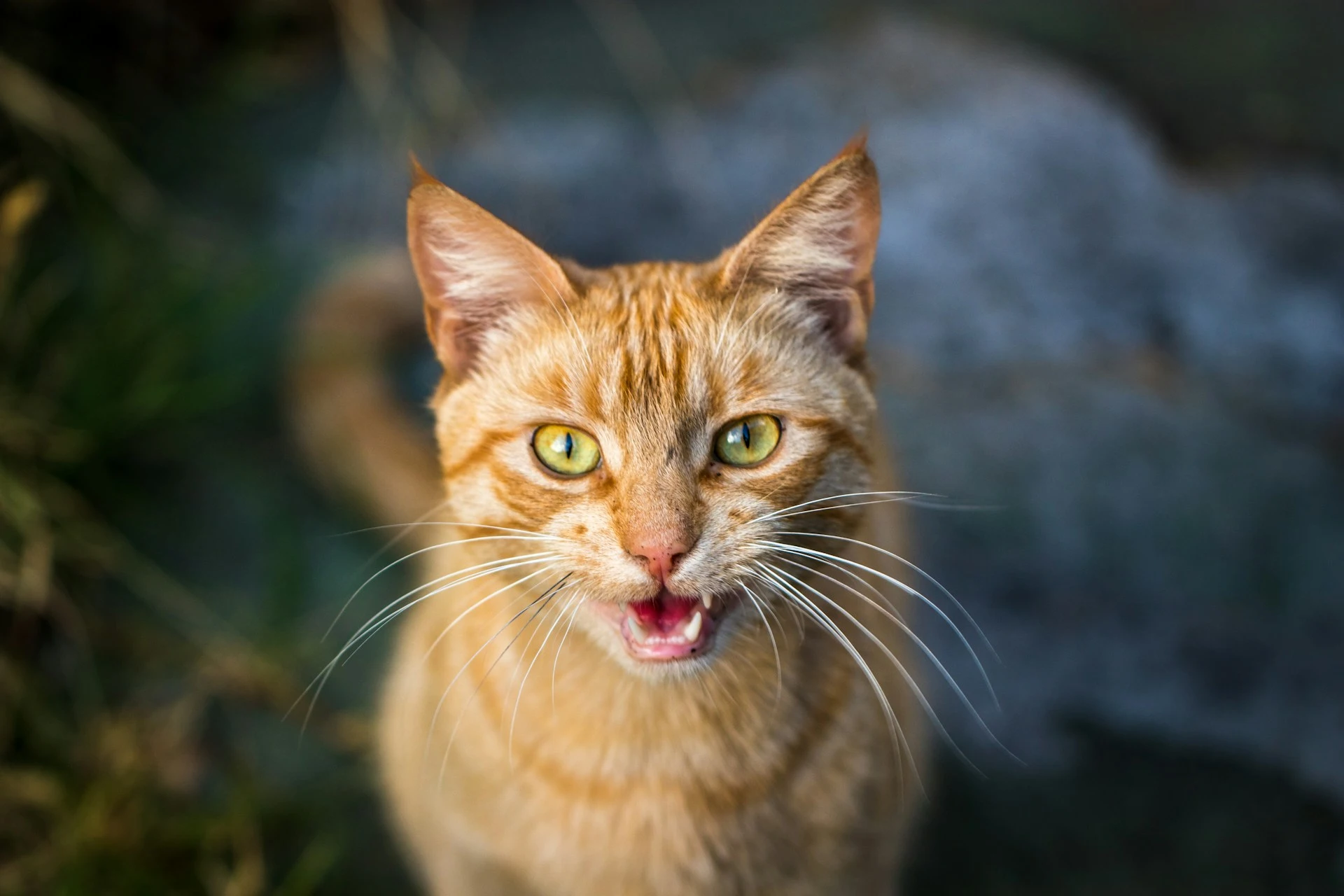
Why Is My Cat Suddenly Meowing More Than Usual?
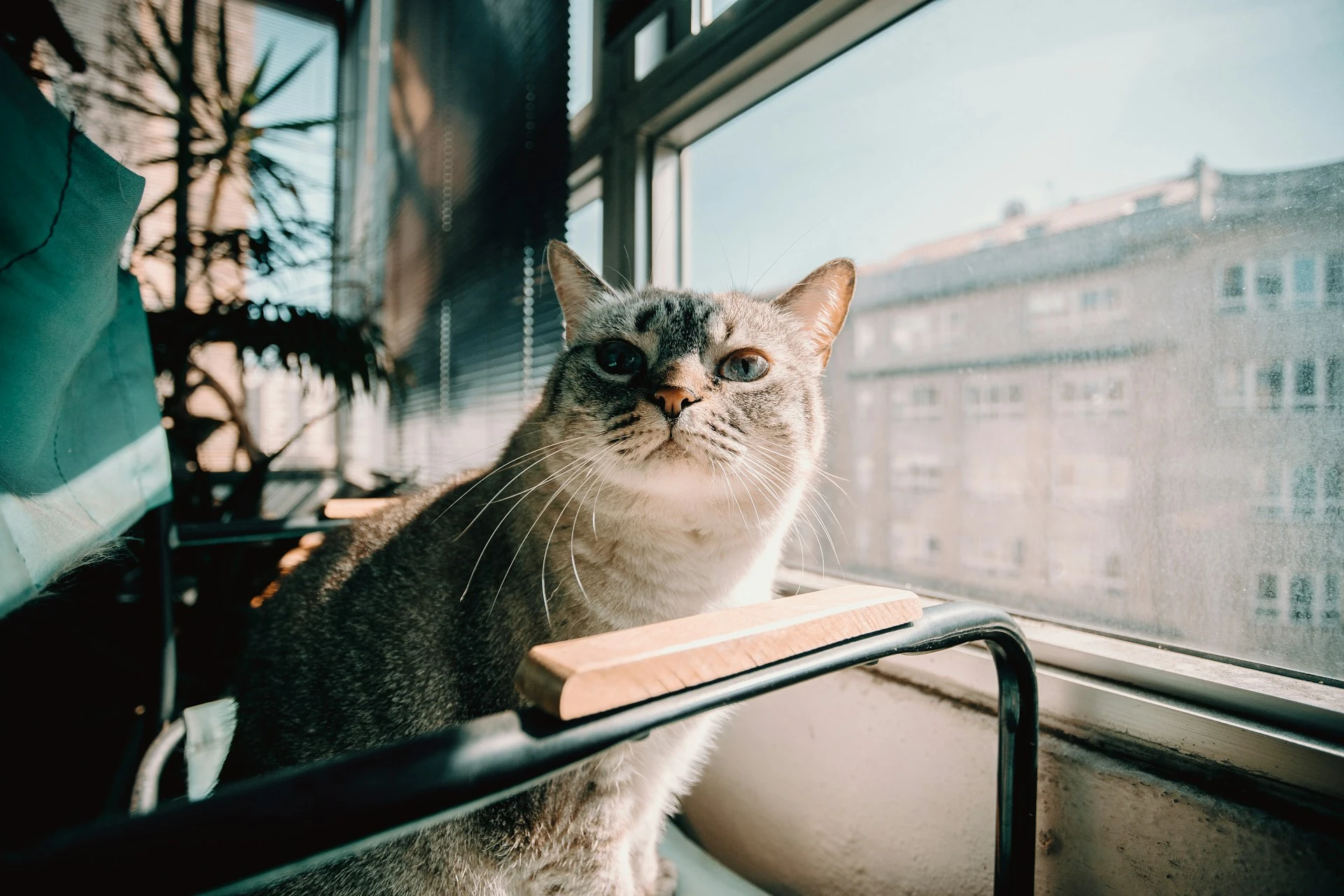
5 Simple Ways to Keep Senior Cats Active at Home
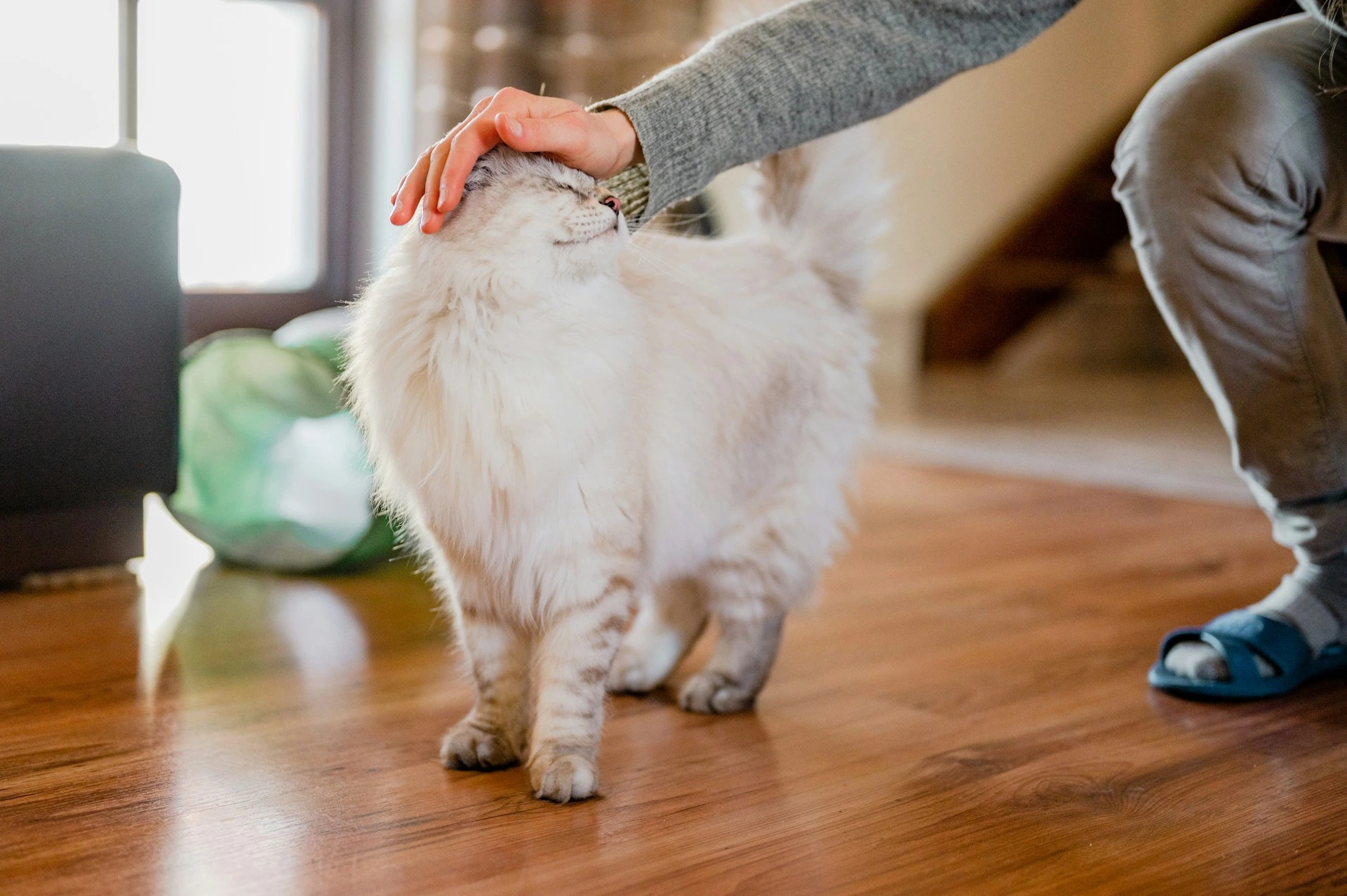
Could Chiropractic Care Help Your Cedar Park Cat Feel Better?
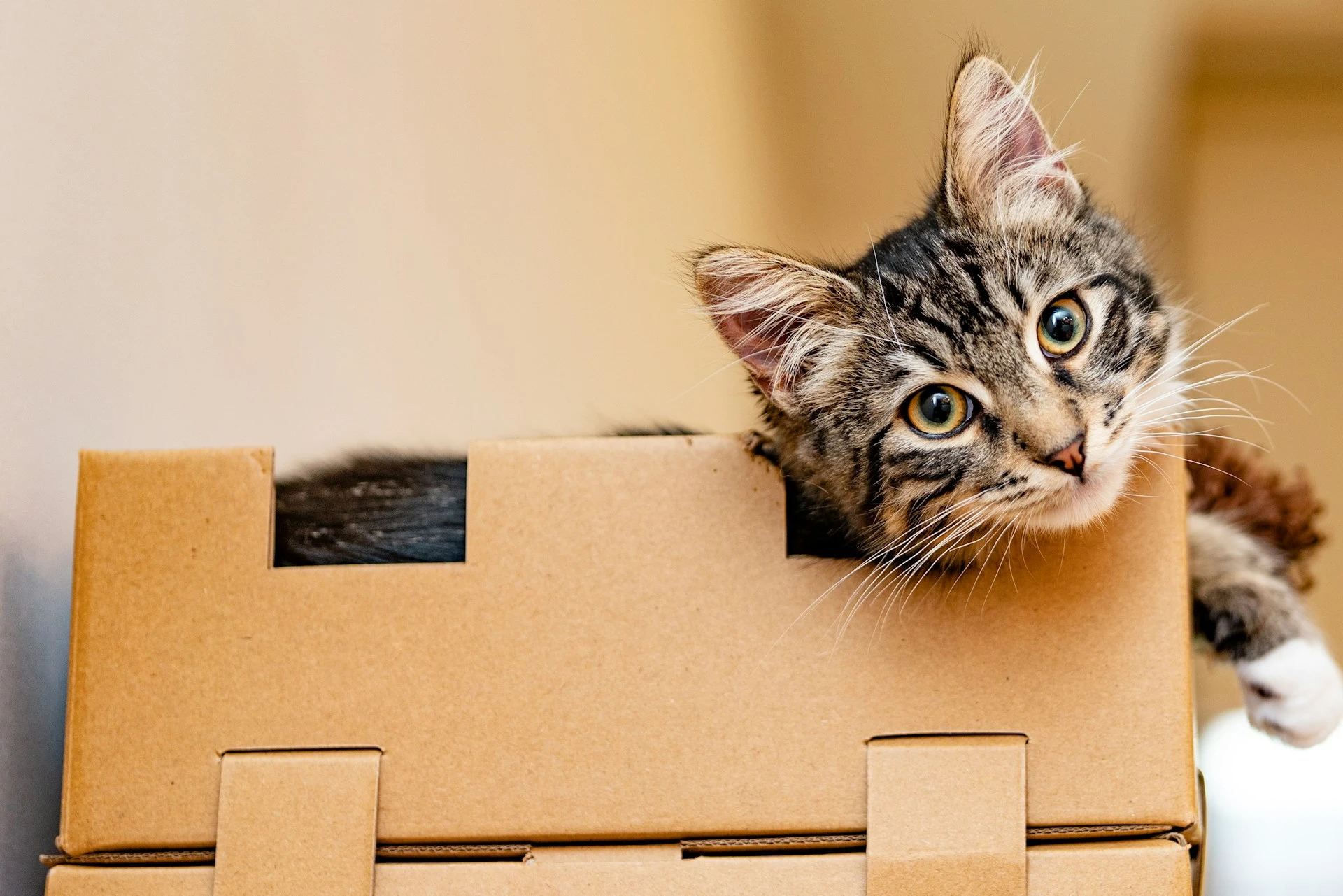
Why Does My Cat Do That? 9 Weird Cat Behaviors Explained
The Texas Parasites Even Indoor Cats Can Pick Up
The Ultimate Guide to Choosing the Right Litter Box