Header Logo

Cats are delightfully odd little companions, aren’t they? One minute, your furry friend is snoozing in a sunbeam, and the next, they’re zooming down the hallway, staring at a blank wall as they’ve just discovered a secret portal, or giving you that classic ‘I meant to do that’ look as they send your water glass flying. Here at Cat Hospital of Austin, we get questions about these quirky feline antics all the time. Our kitties sure know how to keep us guessing—and laughing!
Most weird cat behaviors are actually normal feline instincts showing up in creative ways. Hunting behaviors, territorial habits, stress responses, and communication styles all influence how cats interact with the world around them. Understanding unusual behavior can help owners distinguish harmless quirks from signs that something may need veterinary attention. While many odd habits are perfectly normal, some changes in behavior can occasionally point to medical or emotional concerns.
1. Midnight Zoomies
One of the most recognizable weird cat behaviors is the sudden burst of chaotic energy that seems to happen right when everyone else is trying to sleep.
Cats are naturally crepuscular animals, meaning they tend to feel most active during dawn and dusk. Indoor cats often channel that energy into dramatic nighttime sprints through the house.
Your feline overlord may suddenly:
- Sprint from room to room
- Leap across furniture
- Chase invisible enemies
- Slide dramatically across floors
- Attack toy mice with great intensity
These bursts of activity usually reflect normal hunting instincts and excess energy.
A good play session in the evening can help your furry friend burn off some of that wild energy before bedtime. Think of it as a pre-bedtime workout—your cat gets to chase, pounce, and play, and you might just get a better night’s sleep!
2. Staring at Walls
Few things are more unsettling than turning around and finding Fluffy staring silently at an empty wall like they just discovered a portal to another dimension.
In most cases, cats are simply detecting things humans miss. Cats have excellent hearing and vision, which means they may notice:
- Insects inside walls
- Tiny moving shadows
- Outdoor sounds
- Reflections
- Flickering lights
Cats are also naturally observant animals who enjoy quietly monitoring their surroundings.
But if your kitty starts staring at walls more than usual, especially if you notice any wobbling, confusion, or odd meowing, it’s a good idea to give your vet a call. Sometimes our feline friends are trying to tell us something important. In one case, Fluffy busted a spy ring: the kitties were picking up audio from a hidden microphone. However, it’s probably safe to say that this is the exception, rather than the rule.
3. Knocking Things Off Tables
Some cats seem to think their life’s mission is to test gravity—one coffee mug at a time.
Cats often knock objects over because they are:
- Curious
- Bored
- Seeking attention
- Exploring textures and movement
- Practicing hunting behaviors
Objects that move unpredictably are especially interesting to cats.
Sadly, your favorite coffee mug is often the perfect ‘test subject’ for these experiments—at least, according to your cat!
Keeping your cat busy with toys, scratching posts, and regular playtime can help keep those curious paws out of trouble—and your breakables safe!
4. Chattering at Birds
Ever hear your cat make that funny chattering noise while watching birds out the window? It’s a sound that never fails to surprise—and amuse—cat parents everywhere.
Experts believe this behavior may relate to hunting excitement and instinctive prey responses. Some researchers also think cats may instinctively mimic prey vocalizations during hunting.
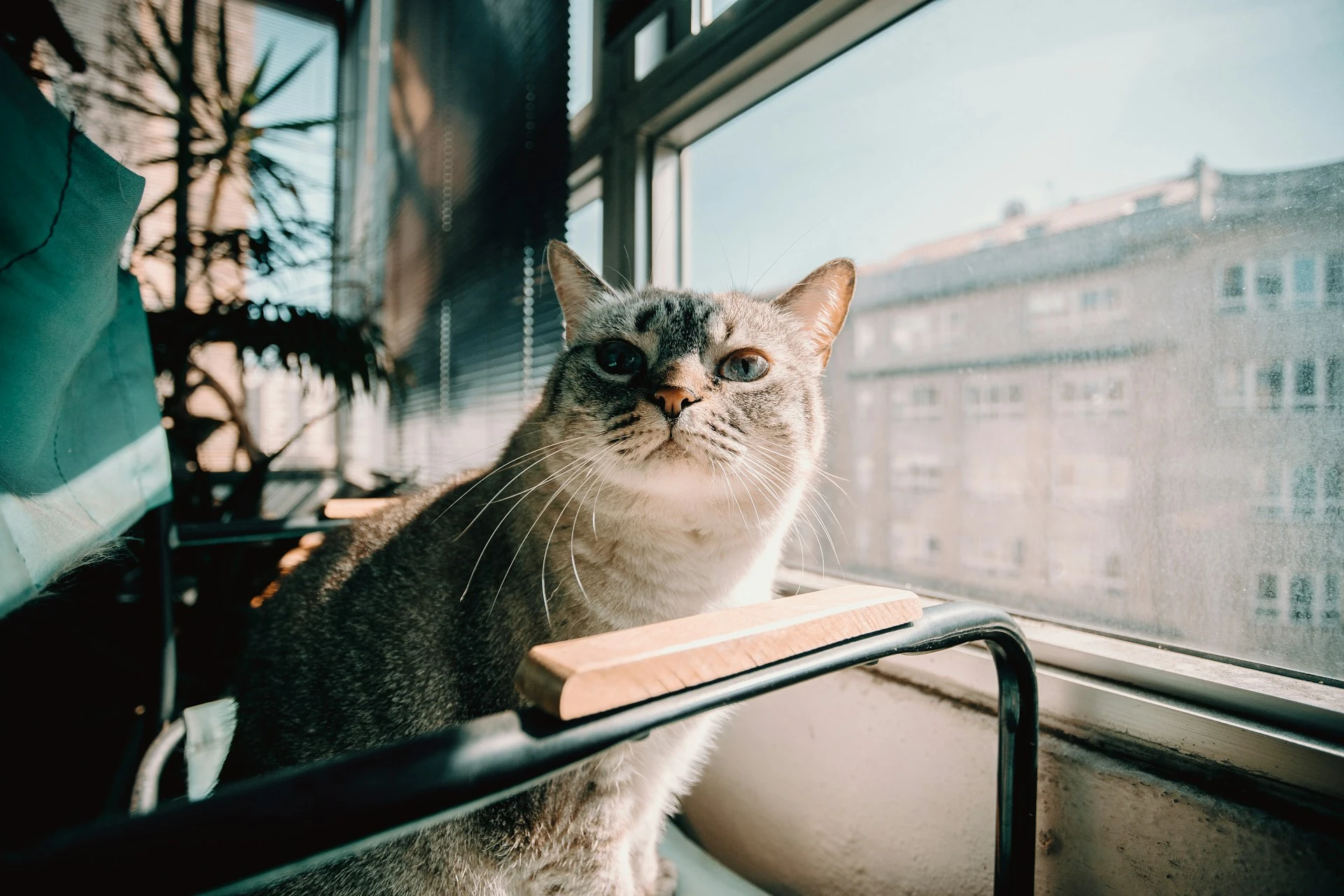
Window watching provides excellent mental stimulation for many indoor cats because it allows them to observe movement, sounds, and outdoor activity safely.
Setting up a cozy window perch or a cat tree by the window is a great way to give your curious kitty a front-row seat to the neighborhood bird show.
5. Suddenly Attacking Your Feet
If you’ve ever had your ankles ambushed from under the covers or around a corner, you know just how sneaky our feline hunters can be!
This behavior usually reflects normal hunting instincts rather than aggression.
Cats naturally enjoy:
- Chasing movement
- Pouncing unexpectedly
- Practicing stalking behaviors
- Engaging in quick bursts of activity
Kittens and younger cats often display this behavior most dramatically because they have high energy levels and strong play instincts.
Encourage your little hunter to chase toys instead of your toes—your feet will thank you, and your cat will still get all the fun of the hunt!
6. Bringing You “Gifts.”
Some cats just love to bring you ‘gifts’—whether it’s a toy mouse, a sock, or (gulp) something a little less pleasant.
While this behavior may seem odd, it likely connects to hunting instincts and social bonding.
Your feline friend may view you as:
- Part of their social group
- A fellow hunter
- Someone needing hunting lessons
- A trusted companion
Rest assured, your cat isn’t trying to annoy you with these deliveries. In her mind, dropping a toy mouse at your feet is a grand gesture—her way of saying you’re part of the family.
7. Sleeping in Ridiculous Places
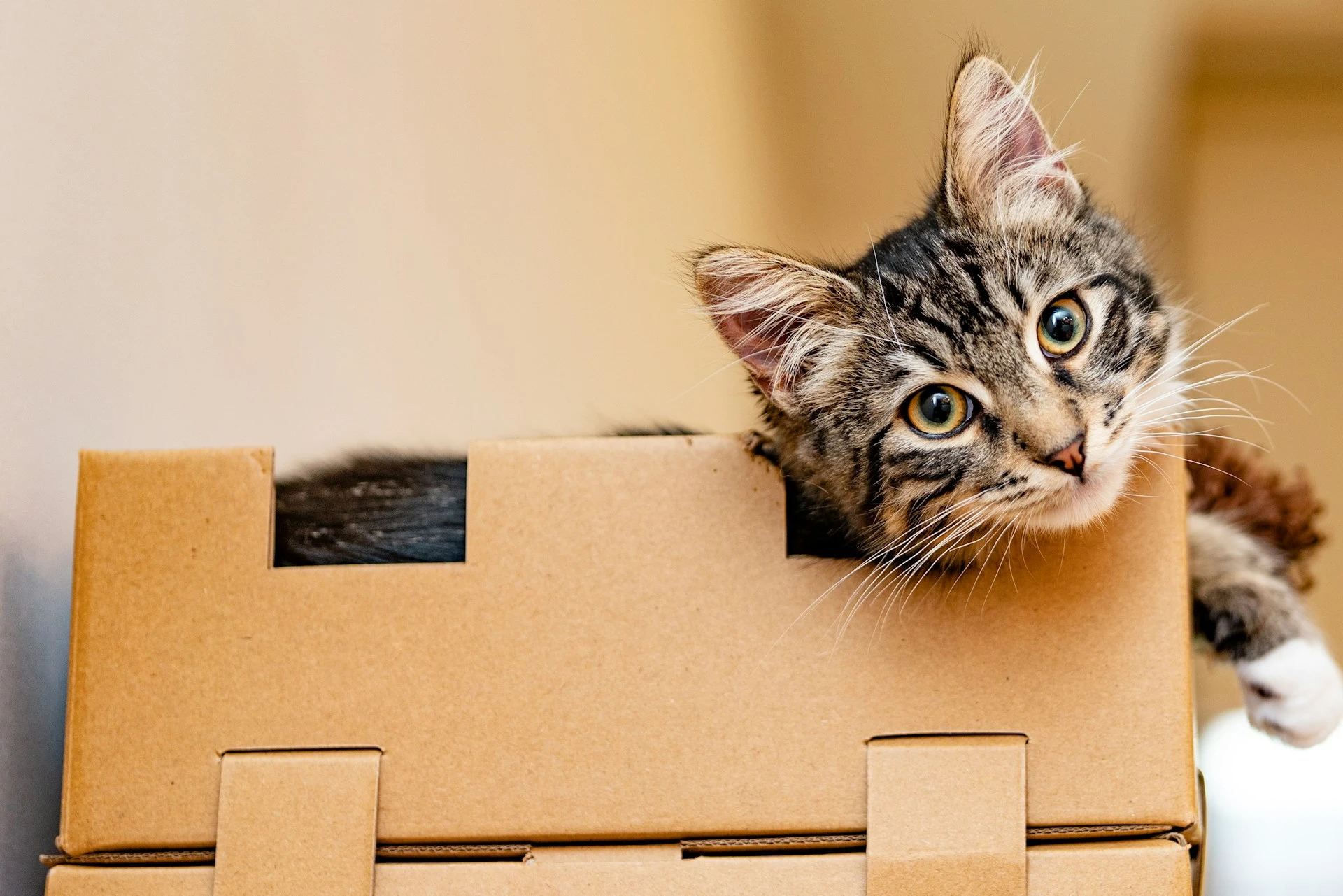
Why do cats ignore that plush pet bed and instead curl up in a laundry basket, cardboard box, or right on top of your laptop? Sometimes, even a single sheet of paper is irresistible!
Cats often choose sleeping locations based on:
- Warmth
- Security
- Familiar smells
- Elevated views
- Enclosed spaces
Boxes and tight spaces help many cats feel protected and secure.
And if your kitty likes to nap right next to you, it’s probably because your scent is comforting—after all, you’re her favorite human.
8. Following You Everywhere
Some cats take their job as your personal shadow very seriously—supervising everything from bathroom breaks to laundry folding, and yes, even those late-night snack runs.
Cats may follow owners because of:
- Curiosity
- Affection
- Routine expectations
- Food anticipation
- Social bonding
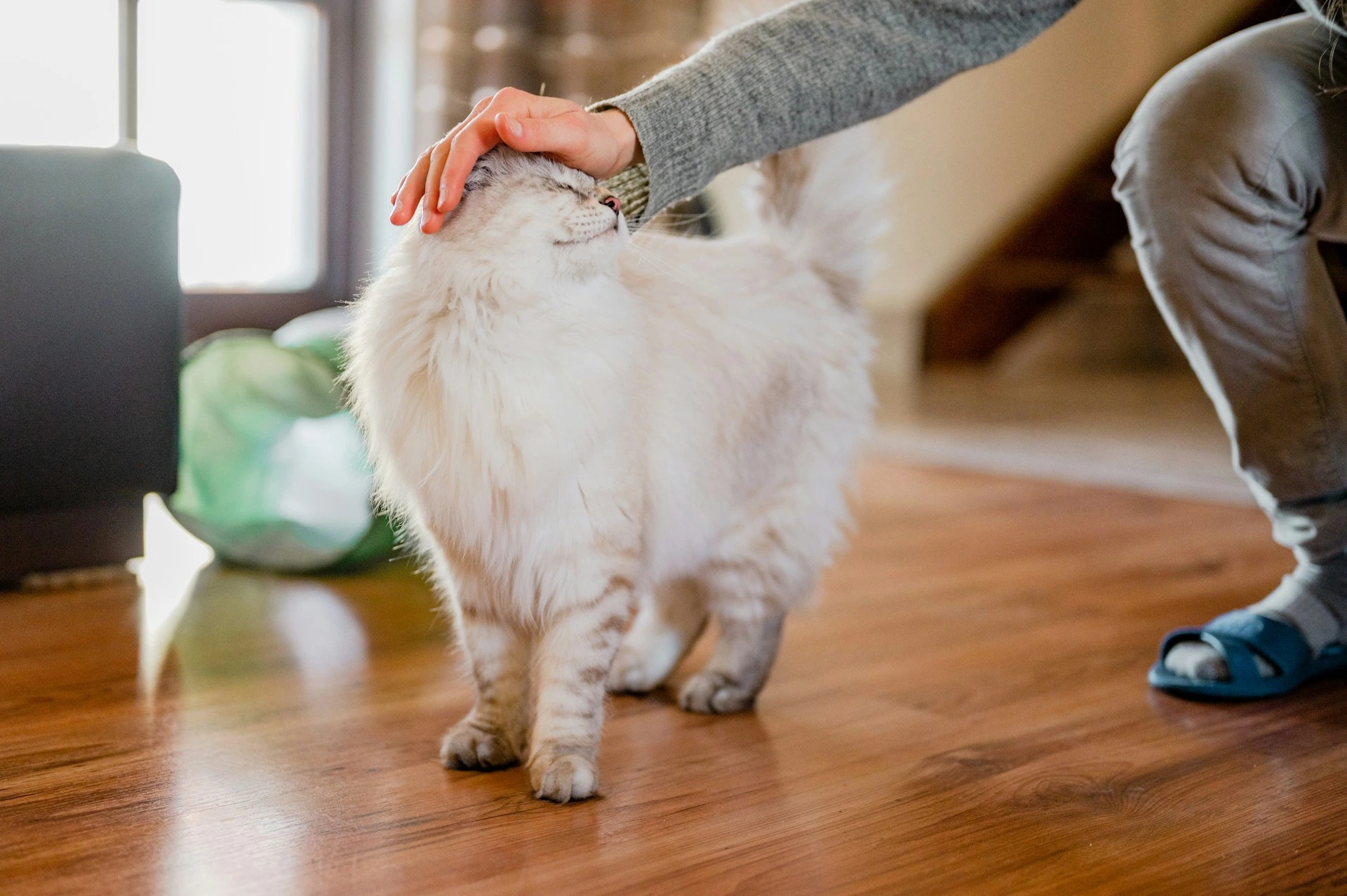
Cats often form strong emotional attachments, even if they express affection differently from dogs.
Some kitties just like to be in the middle of all the action—after all, it’s their house, too!
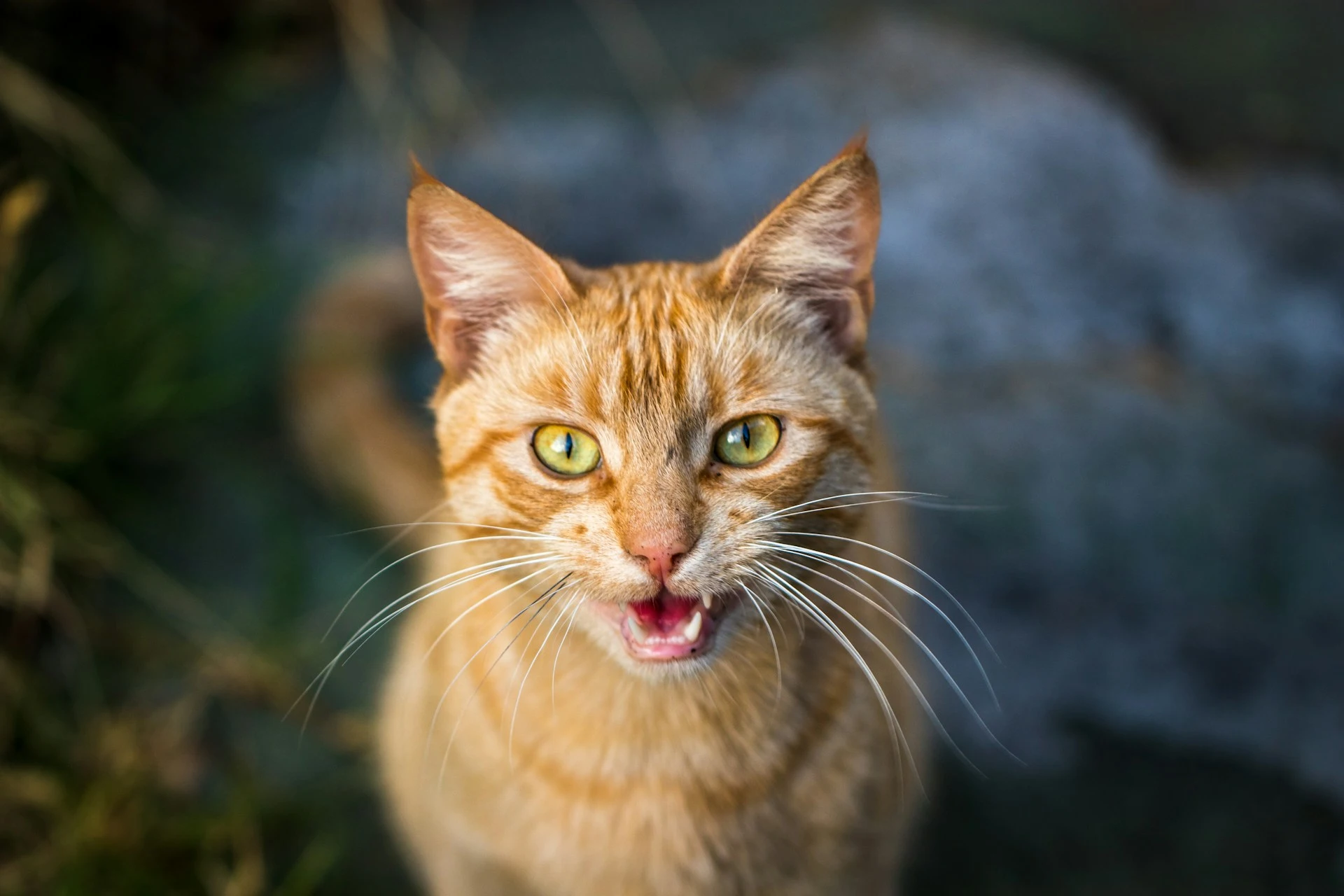
9. Random Bursts of Loud Meowing
Cats vocalize for many different reasons. Some are naturally talkative while others become louder due to stress, boredom, aging, or medical changes.
Excessive vocalization may sometimes relate to:
- Hunger
- Attention-seeking
- Anxiety
- Confusion
- Thyroid disease
- Hearing changes
- Cognitive changes in senior cats
Sudden increases in vocalization warrant attention, especially when accompanied by appetite changes, disorientation, or other behavioral shifts.
At Cat Hospital of Austin, behavioral changes are carefully evaluated because cats often communicate discomfort through subtle shifts in routine and behavior.
When Weird Behaviors May Signal a Problem
Most of the time, your cat’s quirky habits are nothing to worry about. But if you notice a sudden behavior change, it could be a sign that something’s up health-wise.
Behavior changes worth discussing with your veterinarian may include:
- Sudden aggression
- Hiding more frequently
- Appetite changes
- Litter box changes
- Increased vocalization
- Reduced activity
- Disorientation
- Overgrooming
Cats are masters at hiding when they’re not feeling well, so those little changes in behavior can be important clues for us to catch early.
Why Enrichment Helps Reduce Odd Behaviors
A bored kitty is often a mischievous kitty! When cats don’t have enough to do indoors, some of those oddball behaviors can ramp up.
Environmental enrichment may help reduce:
- Attention-seeking destruction
- Nighttime zoomies
- Stress-related behaviors
- Inter-cat tension
- Excessive vocalization
Helpful enrichment options include:
- Cat trees
- Window perches
- Puzzle feeders
- Interactive toys
- Scratching posts
- Climbing shelves
Cats are happiest when they have plenty of chances to climb, hunt, watch the world, and explore—all from the safety of home.
Why Routine Veterinary Care Is Important
Changes in your cat’s behavior can be one of the first signs that something’s not quite right. Regular checkups help us catch any health issues early, before they become bigger problems.
Cat Hospital of Austin has focused exclusively on feline medicine since opening in 2000. As a Cat Friendly Practice Silver certified through the Feline Veterinary Medical Association, our veterinary clinic is designed specifically around feline comfort and low-stress care.
Since we spend our days with cats (and only cats!), we’ve gotten pretty good at decoding all those entertaining—and sometimes baffling—feline behaviors.
PetMD tackled Fluffy’s habit of smacking things off counters and tables in this piece on why cats knock things over. Daily Paws also has a piece on cat zoomies.
FAQ
Why does my cat get the zoomies at night?
Cats are naturally more active during dawn and dusk, which often leads to nighttime bursts of energy indoors.
Why does my cat stare at the walls?
Cats may hear insects, detect movement, or notice sounds humans cannot perceive.
Is it normal for cats to knock things over?
Yes. Cats often knock objects over out of curiosity, boredom, or hunting instinct.
Why does my cat follow me everywhere?
Cats may follow their owners for affection, curiosity, routine, or social bonding.
When should weird cat behaviors worry me?
Sudden changes in behavior involving appetite, litter box habits, aggression, confusion, or vocalizations should be discussed with your veterinarian.
Visit Our Austin, TX Veterinary Clinic for Feline Wellness Care
Cats communicate in fascinating and sometimes hilariously strange ways. Understanding those behaviors can strengthen your bond and help you recognize when something may need medical attention. Whether your feline companion needs wellness care, behavioral guidance, preventive services, or help managing unusual habits, Cat Hospital of Austin is here to help. If you have been searching online for a trusted “vet near me,” our Austin, TX, veterinary clinic provides compassionate, feline-focused care for cats.
Call Cat Hospital of Austin today to schedule an appointment and help your furry bestie stay healthy, happy, and wonderfully weird.
This blog is intended for informational purposes only. Always consult your veterinarian for medical advice, diagnosis, and treatment recommendations that fit your pet’s individual needs.
Do you want to learn more about Cat Hospital of Austin, our premier Northwest Austin pet clinic? Stop by our Services page for an overview of our clinic and offerings. We are proud to be a cats-only practice and have been awarded a silver designation by the American Association of Feline Practitioners (AAFP) for being a feline-friendly practice. We offer a variety of services, from spay/neuter and wellness to chiro for kitties. Contact us anytime to learn more.
New Kitty at Home? How to Help Cats Actually Get Along
Preventive Care for Cats: Tips From an Austin Vet
6 Sneaky Signs Your Cat May Have Dental Disease
Why Is My Cat Suddenly Meowing More Than Usual?
5 Simple Ways to Keep Senior Cats Active at Home
Could Chiropractic Care Help Your Cedar Park Cat Feel Better?
Why Does My Cat Do That? 9 Weird Cat Behaviors Explained
The Texas Parasites Even Indoor Cats Can Pick Up
The Ultimate Guide to Choosing the Right Litter Box