Header Logo

Cats can be surprisingly opinionated about bathrooms. Your kitty may happily nap in a cardboard box that once held paper towels, yet completely reject a brand-new litter box because it is too small, too noisy, or sitting next to the washing machine. At Cat Hospital of Austin, your Northwest Austin, TX veterinary clinic, choosing the right litter box is one of the most important parts of creating a comfortable and stress-free home for your feline companion. A poor setup can quickly lead to litter box problems in cats, frustration, and unwanted accidents around the house.
Many litter box issues are not actually behavioral problems at all. Cats are naturally clean animals with strong preferences about cleanliness, privacy, texture, and location. The best litter boxes for cats support normal feline instincts while helping your furry bestie feel safe and comfortable. Simple litter box setup tips and thoughtful cat litter box placement choices can dramatically improve your kitty’s daily routine and overall well-being.
Why Litter Box Setup Matters So Much
Cats rely heavily on routine and environmental comfort. Their litter box area is an important part of their territory, so even small setup problems can affect behavior.
A cat who dislikes the litter box setup may start avoiding the box, eliminating nearby, or holding urine too long because the space feels stressful or uncomfortable. Some cats become anxious if the litter box is too dirty, too cramped, or located in a noisy area of the home.
At Cat Hospital of Austin, litter box discussions are commonly part of wellness visits because environment and emotional wellness play major roles in feline health and behavior.
Choosing the Right Size Litter Box
One of the most common mistakes owners make when choosing the right litter box is selecting one that is too small.
Many litter boxes sold in stores barely allow cats enough room to comfortably turn around. Larger cats, especially, may struggle with cramped spaces that feel restrictive or awkward.
Most cats prefer boxes that allow them to:
- Move comfortably
- Dig naturally
- Turn around easily
- Position themselves without touching the sides constantly
As a general rule, the litter box should ideally be about one and a half times the length of your cat.
Your feline overlord may somehow fit inside a tiny shoe box for entertainment purposes, but bathroom expectations are apparently held to much higher standards.
Covered vs. Open Litter Boxes
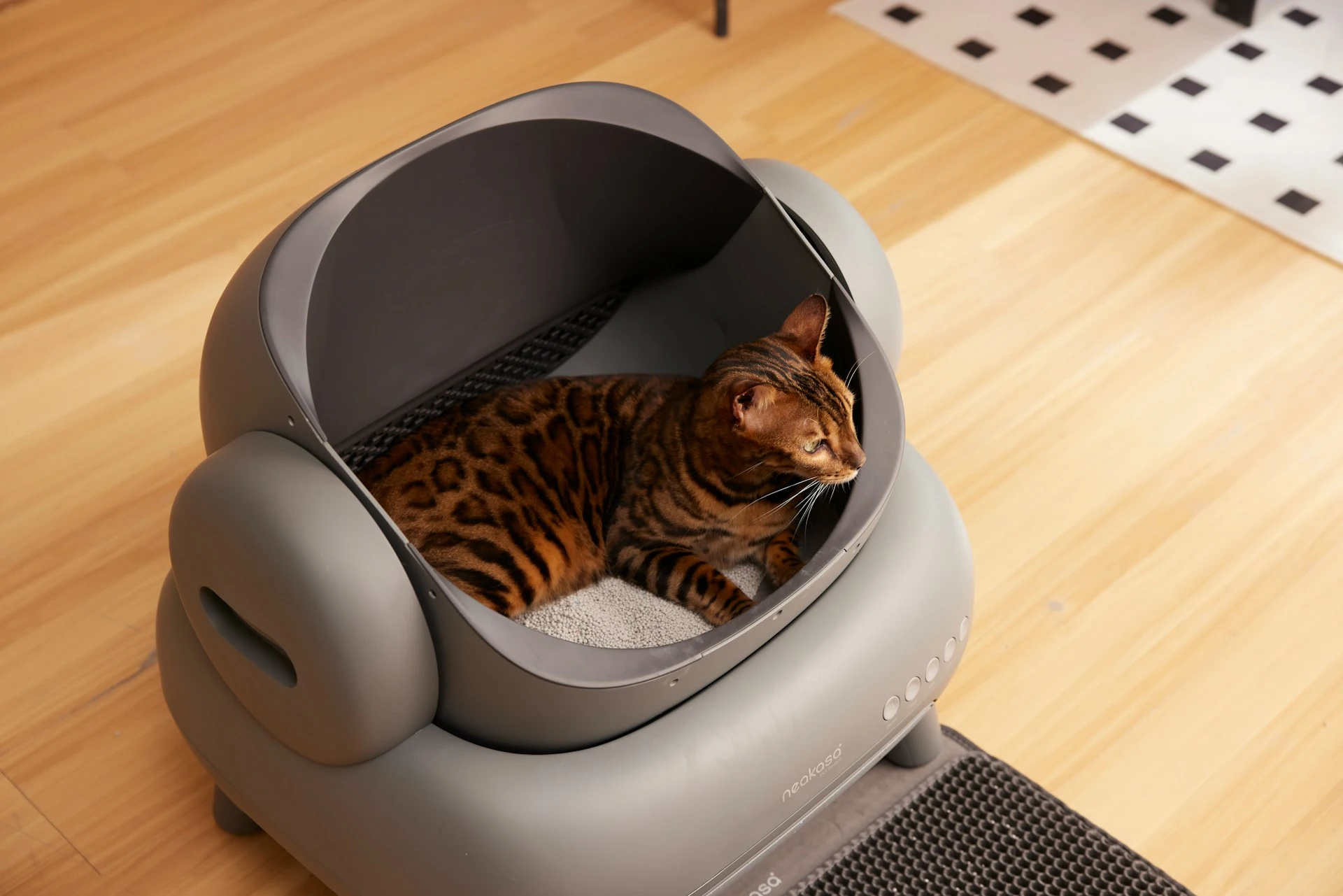
Covered litter boxes are popular with owners because they help contain litter scatter and reduce visible mess. Cats, however, often have mixed opinions.
Some cats enjoy the added privacy of covered boxes, while others dislike feeling enclosed. Covered boxes may also trap odors and dust more easily, making the environment unpleasant from your cat’s perspective.
Open litter boxes generally provide:
- Better airflow
- Easier visibility
- More space
- Faster escape routes if startled
Nervous cats, or those living in multi-cat households, often prefer open boxes because they feel less trapped when using them.
When evaluating the best litter boxes for cats, your kitty’s preferences matter far more than appearance or convenience.
Cat Litter Box Placement Can Make or Break the Setup
Even a perfect litter box may go unused if the location feels stressful.
Cats generally prefer litter boxes placed in quiet, low-traffic areas where they can use the bathroom without interruption. Loud laundry rooms, busy hallways, or areas near barking dogs may make some cats uncomfortable.
Good cat litter box placement often includes locations that are:
- Quiet
- Easy to access
- Consistent
- Separate from food and water areas
Senior cats especially benefit from litter boxes placed on easily accessible floors without stairs or difficult navigation.
Your kitty may also avoid a litter box if they feel cornered or unable to leave the area quickly.
Choosing the Right Litter
Cats can become surprisingly particular about litter texture and scent.
Many cats prefer soft, unscented litter because strong fragrances can feel overwhelming to their sensitive noses. Sudden changes in litter may also trigger litter box problems in cats if the texture feels unfamiliar or unpleasant.
If you need to switch litter types, gradual transitions often work best. Mixing small amounts of new litter into the existing litter may help your feline friend adjust more comfortably.
Consistency matters too. Frequent dramatic changes in litter texture or scent may create unnecessary stress for some cats.
Cleanliness Matters More Than You Think
Cats are naturally very clean animals. A dirty litter box is one of the fastest ways to create litter box avoidance.
Most cats prefer boxes that are scooped daily and cleaned regularly. Some cats may refuse to use a litter box that humans still consider reasonably clean.
Keeping litter boxes clean also allows owners to notice important health changes, including:
- Diarrhea
- Constipation
- Blood in urine or stool
- Changes in urination frequency
- Changes in stool consistency
Those details sometimes provide early clues about medical concerns.
How Many Litter Boxes Should You Have?
Many cats prefer having multiple litter box options, especially in multi-cat households.
A commonly recommended guideline is one litter box per cat plus one extra. Multiple boxes help reduce territorial stress while giving cats more flexibility and comfort.
Some cats even prefer separate boxes for urination and defecation. Others may avoid sharing litter boxes altogether.
Spacing litter boxes throughout the home often creates a calmer and more accessible setup.
Why Medical Problems Sometimes Cause Litter Box Issues
Not all litter box problems are behavioral. Medical concerns frequently affect bathroom habits and should never be ignored.
Conditions that may contribute to litter box problems in cats include:
- Urinary tract inflammation
- Arthritis
- Kidney disease
- Diabetes
- Digestive issues
- Constipation
- Pain during urination
Cats experiencing pain may begin associating the litter box itself with discomfort, even if the actual problem is medical rather than environmental.
A kitty who suddenly stops using the litter box should always receive a veterinary evaluation, especially if the change occurs quickly.
Senior Cats Often Need Different Litter Box Setups
Older cats frequently develop mobility changes that affect their comfort in the litter box.
Senior cats may struggle with high-sided boxes, slippery floors, or difficult entry points. Simple adjustments can make a huge difference in comfort and accessibility.
Helpful changes for older cats may include:
- Lower-sided litter boxes
- Soft litter textures
- Non-slip mats nearby
- Easily accessible locations
Senior cats often continue to use litter boxes very reliably when their setup accommodates changing mobility needs.
Stress Can Affect Bathroom Habits Too
Cats are sensitive animals, and stress often influences litter box behavior.
Moving homes, new pets, construction noise, visitors, or changes in household routine may all contribute to stress-related litter box issues.
Environmental enrichment can help reduce stress and support healthier behavior overall. Window perches, climbing areas, scratching posts, and interactive play all help create a more secure and stimulating environment for indoor cats.
Why Routine Veterinary Care Matters
Litter box changes are sometimes the earliest sign of underlying illness. Routine wellness exams help identify medical concerns before they become more serious.
Cat Hospital of Austin has focused exclusively on feline medicine since opening in 2000. As a Cat Friendly Practice Silver certified through the Feline Veterinary Medical Association, our veterinary clinic is designed specifically around feline comfort and low-stress care.
Because we work only with cats, our team understands the unique environmental and behavioral factors that influence feline wellness and litter box habits.
You can read all about litter training your kitten in this PetMD article. Purina also has a good piece on litterboxes.
FAQ
What is the best way to choose the right litter box?
Most cats prefer large, clean, easily accessible litter boxes placed in quiet areas with unscented litter.
What are the best litter boxes for cats?
The best litter boxes for cats are roomy, comfortable, easy to enter, and suited to the cat’s age and preferences.
Where should the cat litter box placement happen?
Litter boxes should usually be placed in quiet, low-traffic areas away from food and water bowls.
What causes litter box problems in cats?
Medical issues, stress, dirty boxes, poor placement, and uncomfortable litter textures may all contribute to litter box problems.
How many litter boxes should I have?
Most veterinarians recommend one litter box per cat plus one additional box in the home.
Visit Our Northwest Austin, TX Veterinary Clinic for Feline Wellness Care
The right litter box setup can make a major difference in your kitty’s comfort, stress levels, and overall health. Whether your feline companion needs wellness care, behavioral guidance, nutritional support, or help addressing litter box concerns, Cat Hospital of Austin is here to help. If you have been searching online for a trusted “vet near me,” our Northwest Austin, TX, veterinary clinic provides compassionate, feline-focused care for cats.
Call Cat Hospital of Austin today to schedule an appointment and help your furry bestie stay comfortable, healthy, and stress-free at home.
This blog is intended for informational purposes only. Always consult your veterinarian for medical advice, diagnosis, and treatment recommendations that fit your pet’s individual needs.
New Kitty at Home? How to Help Cats Actually Get Along
Preventive Care for Cats: Tips From an Austin Vet

6 Sneaky Signs Your Cat May Have Dental Disease

Why Is My Cat Suddenly Meowing More Than Usual?
5 Simple Ways to Keep Senior Cats Active at Home
Could Chiropractic Care Help Your Cedar Park Cat Feel Better?
Why Does My Cat Do That? 9 Weird Cat Behaviors Explained
The Texas Parasites Even Indoor Cats Can Pick Up
The Ultimate Guide to Choosing the Right Litter Box